Founder profiles default to resume mode. The profiles that drive pipeline run as landing pages.
That single shift changes everything. Resumes describe what you have done. Landing pages convert intent into action. A founder profile sits at the intersection of both with one job. Filter the right buyer in seven seconds and route them toward a conversation.
Eighty-two percent of B2B buyers review your LinkedIn profile before accepting a meeting. That number reframes how every section gets built. Your profile runs as the highest-impact asset in your pipeline funnel, working twenty-four hours a day whether you post or stay silent.
This is the founder-specific playbook for turning a static profile into a pipeline machine.
Why Founder Profiles Need a Different Playbook
Founders never compete for jobs. They filter buyers, investors, and partners.
Career advice on LinkedIn was built for employees fighting for visibility in a recruiting market. Headlines packed with job titles. Summaries listing achievements. Skills sections optimized for keyword matching with recruiters.
That logic breaks for founders. Buyers landing on your profile carry a single question. Should I buy from you, partner with you, or invest in you. Every section needs to answer one of those three questions in under seven seconds.
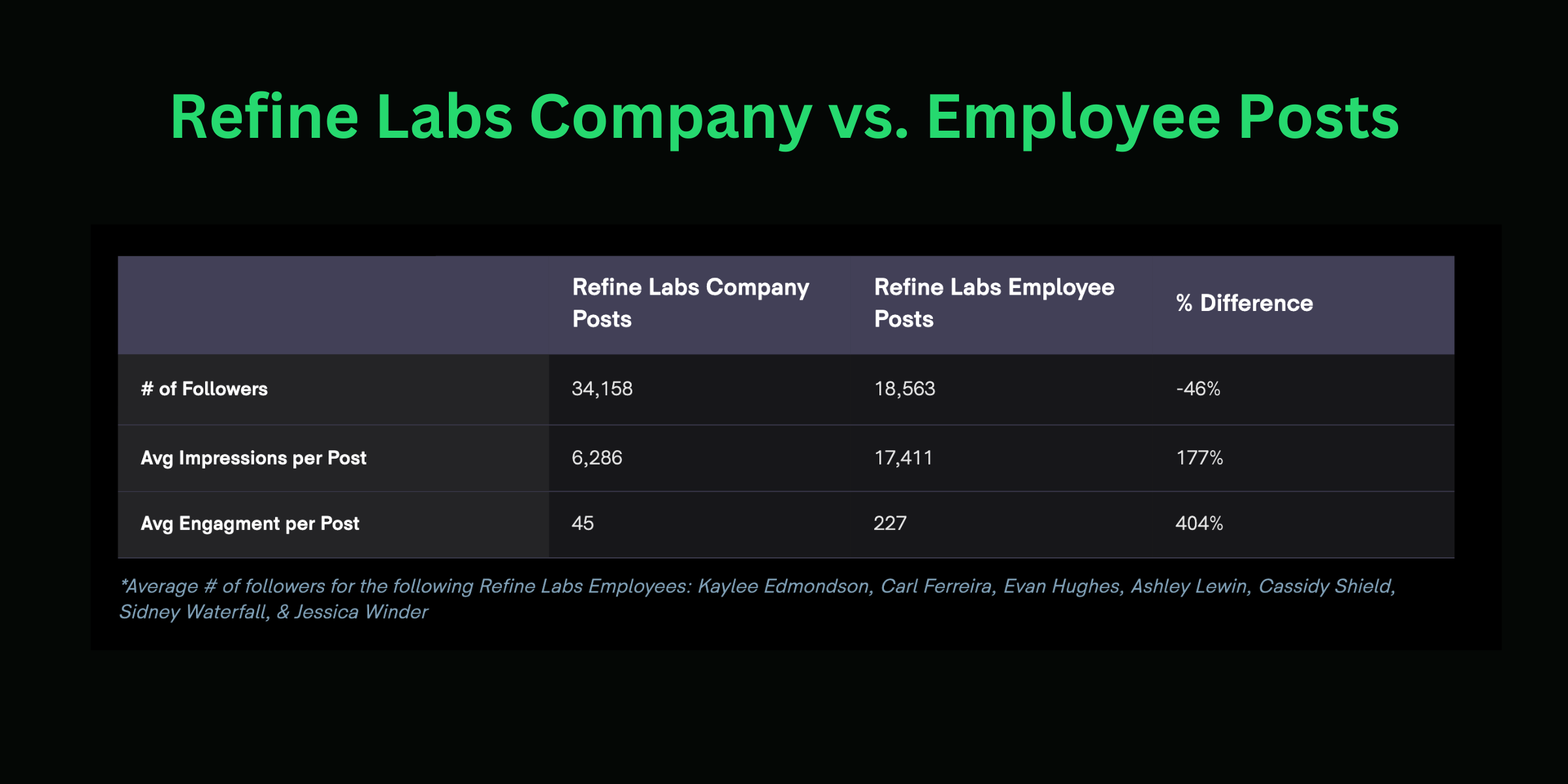
The numbers prove it. Personal profiles outperform company pages by five to ten times in reach and engagement. Sixty-four percent of buyers prefer thought leadership over product information when evaluating a solution. Your profile is the front door to founder-led marketing, and many founders leave it cluttered with outdated job descriptions and corporate boilerplate.
The 7 Second Filter Every Founder Profile Faces
A buyer hits your profile. The clock starts.
LinkedIn calls this Profile Dwell Time. Stay under two seconds and the algorithm flags you as irrelevant. Stay over two minutes and the feed rewards you with reach. The same logic applies to buyer psychology. The first seven seconds decide whether someone scrolls past or sticks around.
Three questions get answered in those seven seconds. Who are you for. What do you stand for. Why should I care. Founders who fail any of those three lose the buyer before they reach the experience section.
The fix runs through every element above the fold. Header image. Headline. Profile photo. Bio preview. Featured pin. Get those five elements pulling in the same direction and dwell time stretches from seconds into minutes.
The 5 Checkpoint Founder Profile Framework
Every section of your profile is a conversion checkpoint. Pass the checkpoint and the buyer moves deeper. Fail and they bounce.
The five checkpoints map to how a buyer reads your profile.
The Header Filter answers who is this for. The Bio Hook answers do I want to know more. The Featured Proof answers can they actually deliver. The Activity Signal answers are they alive and credible. The Social Proof Wall answers do other people I trust validate this.
Skip a checkpoint and the buyer falls through the funnel. Build all five and a profile becomes a twenty-four-hour sales asset that filters ICP, frames your stance, and routes qualified buyers into your DMs.
Checkpoint One The Header Filter
Your header carries 1,584 by 396 pixels of prime real estate. Sixty-seven percent of LinkedIn users leave it blank.
Founders with empty headers signal one thing. They treat LinkedIn as a directory listing rather than a marketing surface. Buyers register that signal in milliseconds and move on.
A pipeline-driven header carries three elements. The promise (one sentence stating who you serve and what outcome you create). The proof (a logo strip, a single metric, or a trust marker). The bridge (a visual cue or arrow pointing to the bio below).
Skip ornaments. Skip your company logo blown up to 1,584 pixels wide. Skip stock photography. The header serves the buyer in their first second on the page, and ornamental headers serve nobody.
Checkpoint Two The Bio Hook
Your headline carries sixty percent of your optimization impact. Get it right and profile views climb thirty percent on average.
The headline runs 220 characters. Many founders waste it on Founder at CompanyName. That title tells the buyer nothing they need to make a decision. Strip it down and rebuild around three elements. The buyer you serve, the outcome you create, and the proof you carry.
Format example. Helping seed-stage B2B founders turn LinkedIn into a six-figure pipeline channel | Built $4M ARR through founder-led content.
The About section earns the click that the headline starts. Use a four-part narrative. Origin (why you stand qualified to take this stance). Problem (the broken thing your buyers face). Traction (specific outcomes you have created). Invitation (the exact next step a qualified buyer should take).
One strong About section often generates more inbound than two months of paid ads.
Checkpoint Three The Featured Proof
The Featured section sits above your experience. It loads instantly. Buyers see it before they scroll. Many founders leave it empty or fill it with random posts.
Treat the Featured section as your proof wall. Pin four to six pieces. One case study with a named client and a specific outcome. One signature framework that your stance owns. One press feature or podcast. One landing page link to your highest-converting offer.
Each pinned item carries one job. Convert a curious browser into a buyer who books time. The pinned items should match the promise made in your header and headline. When the three layers stack consistently, dwell time spikes and pipeline follows.
Checkpoint Four The Activity Signal
Your activity feed shows the last ninety days of posts and comments. Buyers read it as proof of life and proof of focus.
Founders posting once a quarter look dead. Founders posting daily but commenting nowhere look performative. Founders commenting strategically ten to fifteen times per day on ICP profiles generate two hundred to five hundred profile views per week, thirty to fifty connection requests, and three to five inbound DMs from qualified prospects.
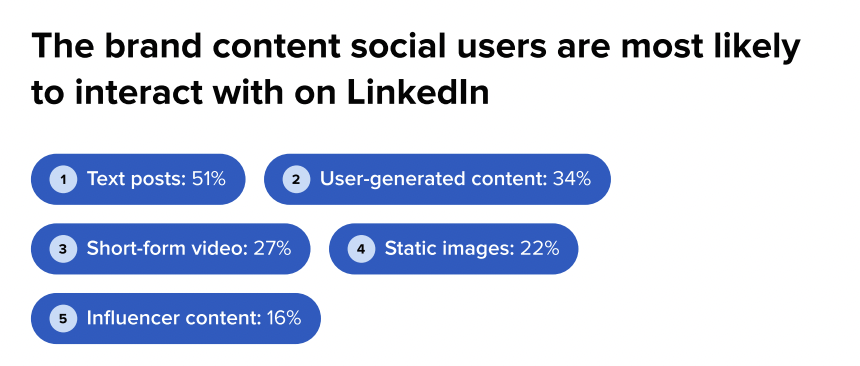
The signal split matters. Posts establish your stance. Comments establish your presence in conversations your buyer cares about. A profile with both running consistently sends a third signal. The founder is operating, learning, and building in public, which is the highest-trust signature available on LinkedIn. The 2026 algorithm rewards this combination over any other content cadence.
Checkpoint Five The Social Proof Wall
Recommendations and skills endorsements get treated as bonus features. They run as core conversion assets.
Profiles with three or more written recommendations from named clients pass the credibility check faster than any other proof element. The recommendations should mention specific outcomes and tie back to your stance. Generic recommendations from college friends create reverse signal. They tell the buyer your profile gets traffic from people who never bought from you.
Skills work the same way. The top three skills get weighted by the algorithm. Match them to your current stance, never to a former job title. Skills like B2B SaaS Pipeline or Founder-Led Marketing carry weight. Skills like Microsoft Office actively harm your signal.
The Founder Profile Audit in 7 Questions
Run this audit on your own profile every thirty days. Score one to five on how confidently you can answer each.
Check one. Header passes the seven-second filter for your ICP buyer.
Check two. Headline names the outcome you create rather than the title you carry.
Check three. About section opens with a stance instead of biographical context.
Check four. Four to six pieces pinned in your Featured section, each carrying a single job.
Check five. Eight or more posts in the last thirty days, mixing stance posts and case studies.
Check six. Fifty or more strategic comments on ICP profiles in the last thirty days.
Check seven. Top three written recommendations cite named outcomes from buyers in your current ICP.
Score under twenty and the profile is leaking pipeline. Score twenty-one to twenty-eight and the profile holds attention but loses conversion. Score above twenty-nine and the profile compounds buyer trust every week.
Common Mistakes That Sink Founder Profiles
Three mistakes kill founder profiles faster than every other error combined.
The first is the resume reflex. Founders default to listing every job they ever held with company logos and bullet points. The buyer scrolls past every line because none of it answers the question they came to answer. Stage-specific founder mistakes stack on top of this base error and compound the leak.
The second is the everything-for-everyone trap. Founders try to look credible to investors, customers, partners, and recruits at the same time. The result lands with no one. The fix is brutal narrowing. Pick the one buyer your business depends on and build the entire profile to convert that buyer.
The third is the ghost activity feed. Founders optimize the static sections, then post nothing for six months. The static profile carries half the weight. The live activity feed carries the other half. A buyer who reads a strong About section and sees zero recent activity assumes the founder gave up.
How to Rebuild Your Founder Profile in One Weekend
Block four hours on Saturday and three hours on Sunday. The static layer rebuilds in seven hours.
Saturday morning, hour one. Write the seven-second filter. Three sentences. Who you serve. What outcome you create. What proof you carry. The header, headline, and About section all flow from these three sentences.
Saturday morning, hour two. Design the header. Open Canva. Drop the promise sentence on the left. Drop a logo strip or a single metric on the right. Add a green arrow pointing toward the bio.
Saturday afternoon, hour three. Rewrite the headline using the 220 characters. Audience. Outcome. Proof. Read it out loud. Cut every word that does not earn its place.
Saturday afternoon, hour four. Rewrite the About section using the four-part narrative. Origin. Problem. Traction. Invitation. End with a single explicit call to action.
Sunday morning, hour five. Audit your Featured section. Pin four to six pieces. One case study. One framework. One press piece. One offer link. Order them by buyer journey, not by chronology.
Sunday morning, hour six. Request three new written recommendations from named clients. Send each a one-paragraph prompt with the specific outcome you want them to mention. Recommendations close the trust gap faster than any other asset.
Sunday afternoon, hour seven. Replace your top three skills with current stance keywords. Update your custom URL. Verify the profile is set to public for non-connections. Run the seven-question audit and score yourself.
The profile rebuilds in seven focused hours. The activity layer takes thirty days of consistent posting and commenting. The compounding starts on day thirty-one.
How Profile Optimization Compounds Into Pipeline
A B2B SaaS founder replaced one hundred daily connection requests with three high-value posts per week. Ninety days later, inbound inquiries climbed thirty-four percent and average deal size grew eighteen percent.
The compound effect runs through every section. A sharp header pulls in the right buyers. A strong headline holds attention long enough to read the bio. The Featured section converts curiosity into a click. The activity feed proves momentum. The recommendations close the trust gap. Every checkpoint multiplies the next.
Inbound conversion runs at 14.6%. Outbound runs at 1.7%. The profile that drives inbound builds an asset compounding through every connection, every comment, every search. A weak profile produces weak inbound regardless of how often you post. The profile sits at the foundation of the entire pipeline. Inbound is a signal harvesting game, and the profile is where buyers decide if your signal is worth following.
Frequently Asked Questions
How Long Should a Founder LinkedIn Profile Take to Optimize
A complete profile rebuild takes four to six focused hours across one weekend. Header, headline, About section, Featured pins, and recommendations cover the static layer. The activity layer takes thirty days of consistent posting and commenting before pipeline signal appears. Treat the profile as a living asset and audit it every thirty days.
Does the LinkedIn Headline Really Change Profile Views
Profiles with strong headlines receive thirty percent more profile views on average. The headline carries roughly sixty percent of optimization impact because it is what buyers see in search, in feeds, and in connection invites. Get it right and the rest of the profile starts compounding. Get it wrong and every other section works at half capacity.
Should Founders Use a Professional Headshot or a Casual One
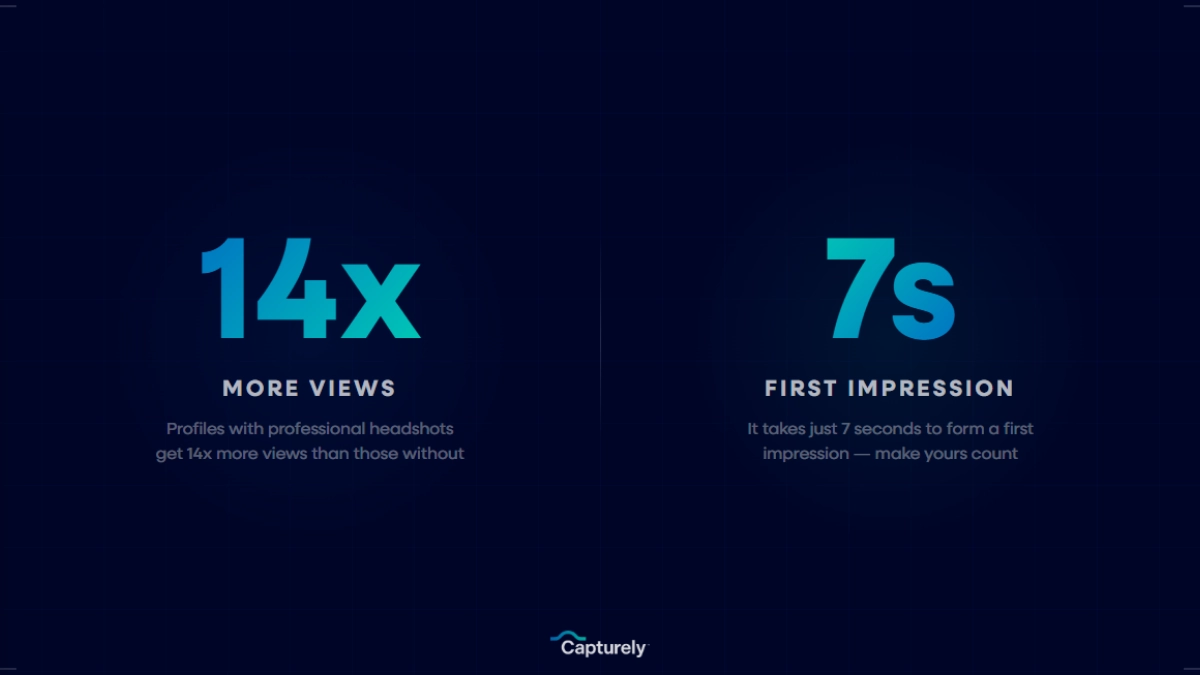
Profiles with professional headshots get fourteen times more views than profiles without. Buyers form a first impression in seven seconds, and the photo carries that first impression every time. The image style matters less than clarity, eye contact, and current likeness. Casual photos work for founders selling to founders. Professional photos work for founders selling to enterprise. Update the photo every twelve months as your face actually looks.
How Often Should a Founder Update Their LinkedIn Profile
Run the seven-question audit every thirty days. Refresh the Featured section monthly with the strongest case study or framework from the past month. Rewrite the headline every quarter to match the current ICP. The static layer compounds when treated as a living asset rather than a finished resume.
A founder profile is leverage compressed into 1,584 pixels and 220 characters. The founders treating it as a landing page win the meeting before the message ever sends.