
Inbound on LinkedIn is won on dwell time, lost on volume. Every founder guide treats reach as the goal. The founders closing six-figure deals from a single post treat reach as a byproduct. They optimize for one thing. Signal quality from buyers who already have budget.
Cold outbound still works in small pockets. The rest of that field has collapsed. Seventy-nine percent of B2B decision-makers ignore cold DMs. Seventy-five percent of B2B buyers research vendors through social platforms before contacting sales, and LinkedIn owns that research window. The buyer already knows who you are before you ever reach out.
This piece lays out the founder inbound system that produces qualified leads without outbound. You will see the real funnel, the post formats that convert, the weekly cadence that fits into a founder calendar, and the attribution setup that tells you what is working.
Why Inbound on LinkedIn Beats Cold Outbound for Founders
Adam Robinson scaled RB2B from zero to five million ARR in twelve months with five people. LinkedIn drove almost 100% of the traffic. One cease-and-desist post delivered 1,600 qualified leads through a simple Google Form. Eighty-five percent of RB2B users installed the product before ever talking to sales.
That outcome has nothing to do with a content calendar. It is a function of distribution ownership. When the founder owns the audience, cold outbound becomes optional.
DreamData attributed one million in pipeline to organic social selling. TACK, run by Dave Gerhardt, generated over two million primarily through founder LinkedIn presence. Retention.com hit twenty-two million with six employees using the same channel.
The story repeats because buyer behavior shifted first. Sixty-seven percent of B2B buyers research solutions independently before speaking with sales. They consume thirteen pieces of content on average before requesting a conversation. Ninety-two percent of B2B buyers begin their journey with at least one vendor in mind. Forty-one percent have already picked a preferred vendor.
Being in that mental short list is what founder content earns you. Cold outbound tries to force a position the buyer already assigned. Inbound leads close at 14.6% in 2026. Outbound leads crawl at 1.7%. Founder-led marketing wins on every axis that matters.
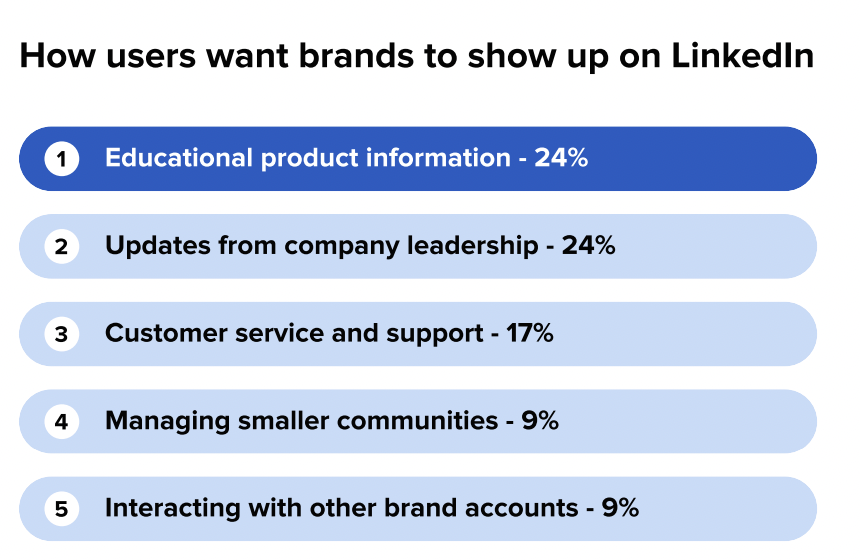
The Founder Inbound Funnel From Impressions to Revenue
Most inbound advice obsesses over the top of the funnel. Impressions. Reach. Follower count. That is where weak strategies hide.
A founder inbound funnel has five stages.
Stage one. Impressions from ICP feeds. Your content reaches buyers who actually fit your offer. Nobody else. Only the ideal customer profile.
Stage two. Dwell time on your content. Viewers stop scrolling and read. They save the post. They share with a teammate. LinkedIn's 2026 algorithm prioritizes dwell time over almost every other signal.
Stage three. Inbound signal. A profile view, a save, a thoughtful comment, a DM, or a direct meeting request. Every signal is a buyer raising their hand.
Stage four. Conversation. Warm DM, booked call, or reply email. This is where qualified leads get qualified.
Stage five. Closed revenue.
The bottleneck for most founders sits between stage two and stage three. They generate attention. They fail to convert attention into signal. The cause is content designed for the feed rather than the buyer.
Profile Build That Converts Views to Bookings
Your profile is a landing page for cold traffic. Treat it like one.
Headline leads with the problem you solve and who you solve it for. Skip the job title. Nobody is searching for 'CEO at Company.' They are searching for the problem.
Banner reinforces the positioning with one line. Keep the visual minimal. The banner has to survive mobile compression.
Featured section routes the warm lead. Link to three things. A case study with proof. A free resource that qualifies intent. A calendar link for the ready buyer. Most founders skip the middle step and lose the warm lead who wants to engage before booking.
Biography section sells the story. First paragraph hits the pain your buyer feels. Second paragraph shows the shift you represent. Third paragraph lists credentials and results. Last line has one call to action.
Five relevant skills signal the algorithm what you do. Profiles with five or more relevant skills surface twenty-seven times more often in prospect searches. Set the skills your buyer would type into the search bar, never the skills you want on a resume. For deeper profile work, see the founder positioning guide.
Post Formats That Generate Inbound DMs
Format matters more than topic. The data makes this hard to argue with.
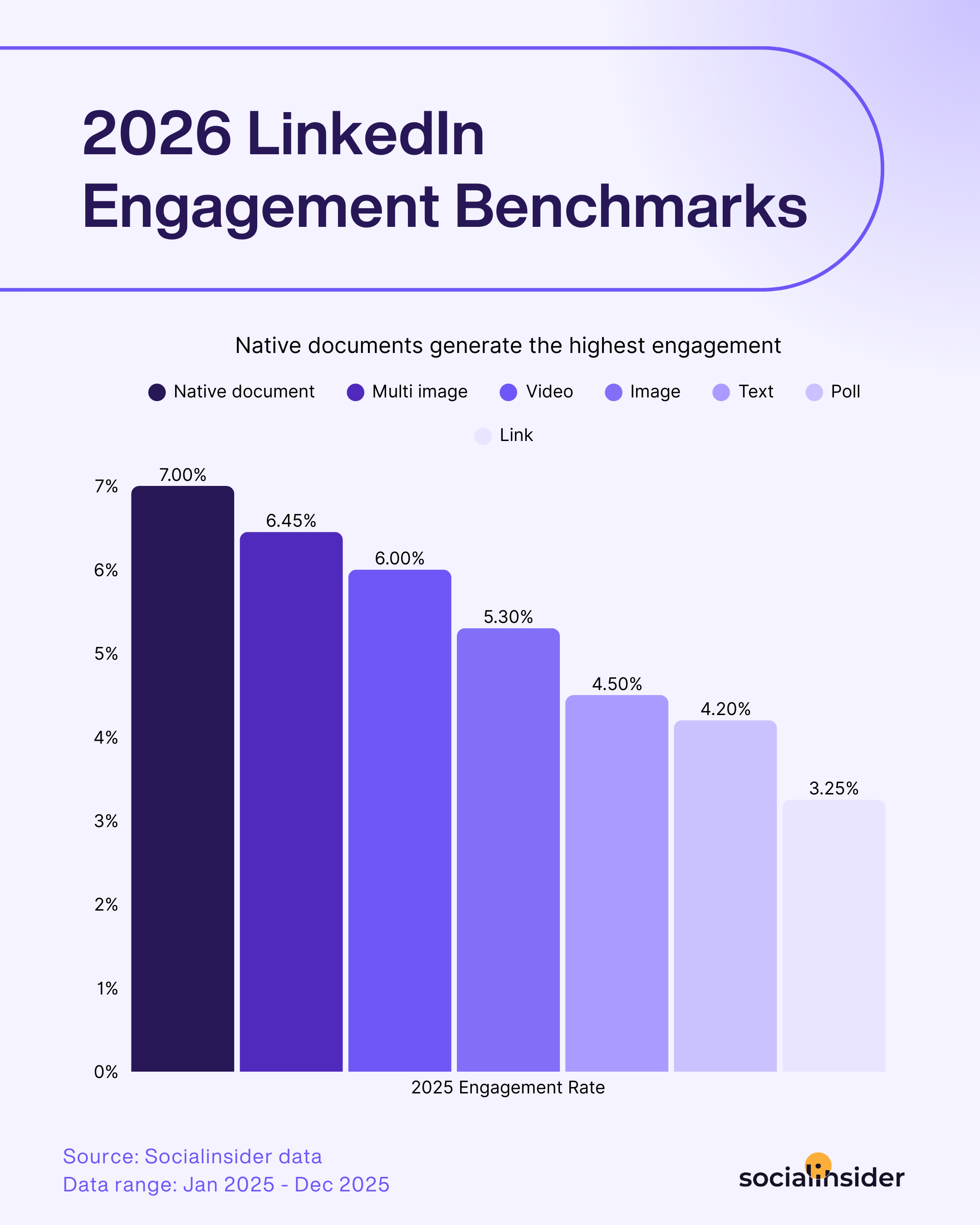
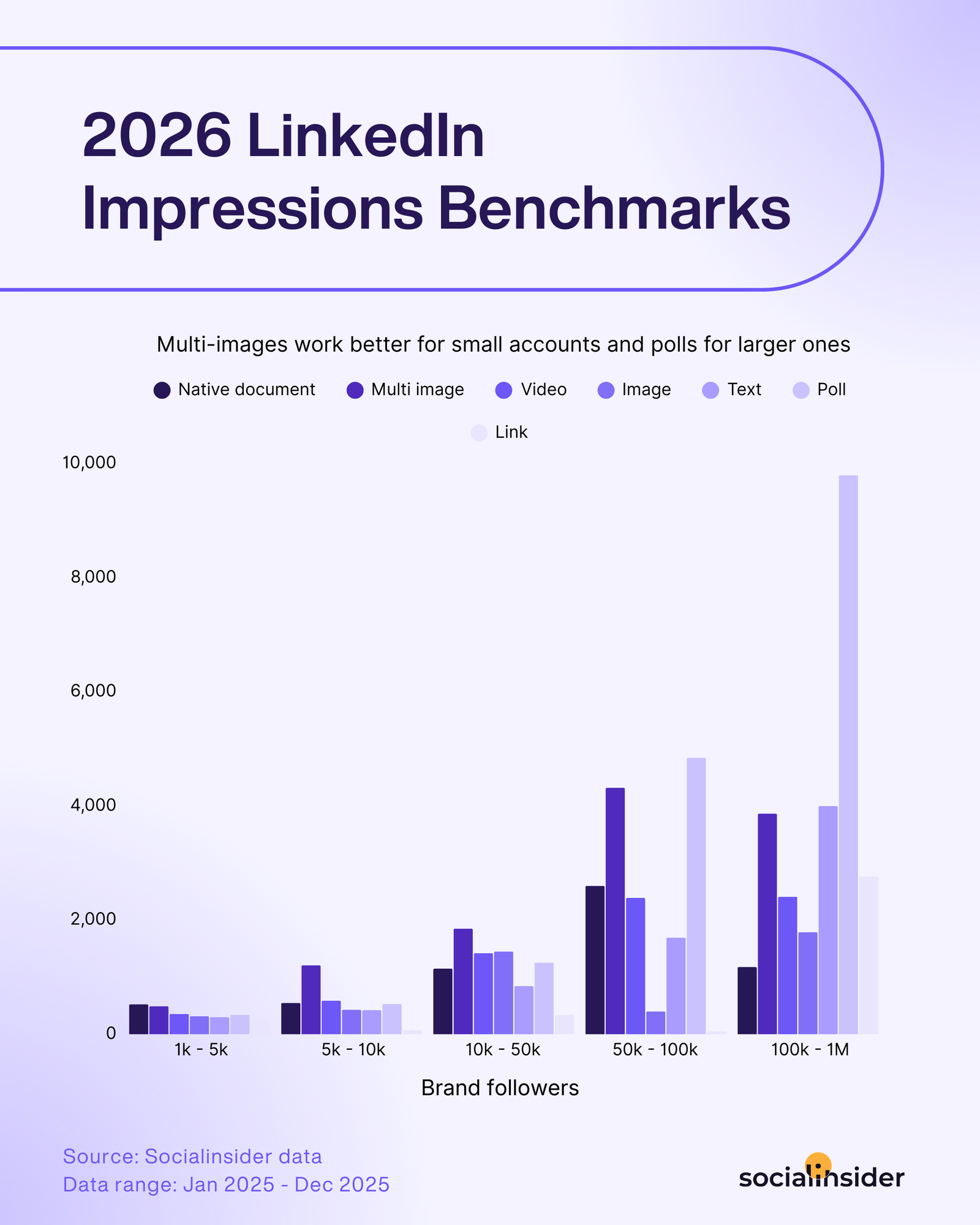
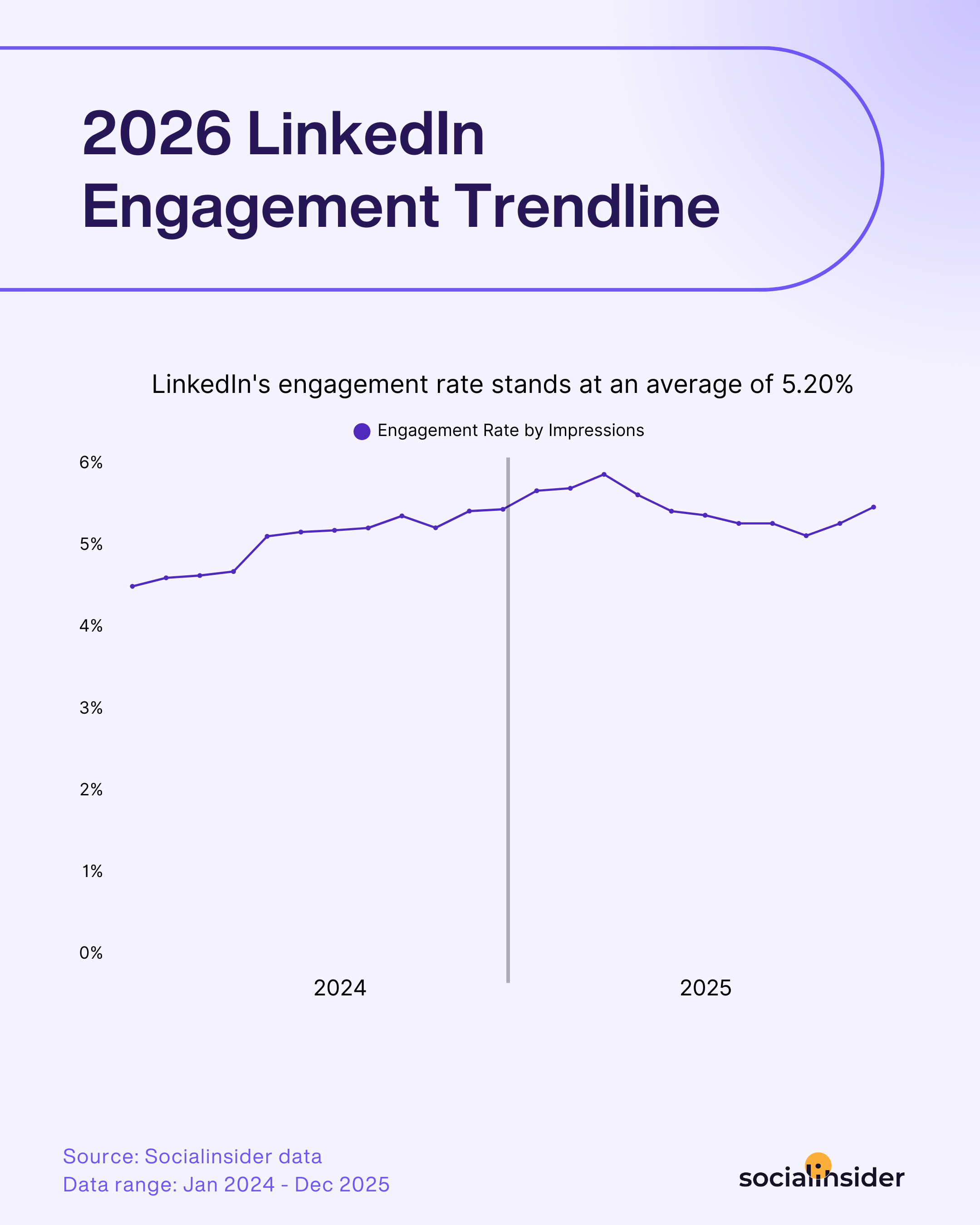
LinkedIn's 2026 average engagement rate sits at 5.20%, up 8% year over year. Native document posts hit 7.00%, the highest-performing format on the platform. Carousel posts pull 6.45%. Multi-slide posts drive 3.4 times more reach and 2.1 times more engagement than single-image posts. Carousels with exactly seven slides outperform any other length by 18%.
Three formats drive the most inbound DMs for founders.
Document carousels that teach a framework. Ten-slide PDFs laying out a system the buyer can screenshot and use. The save-to-impression ratio is what to watch. Aim for 0.5% minimum, meaning five saves per thousand impressions. Carousels push buyers into save-and-return behavior, and that signals the algorithm to keep distributing the post.
Case study breakdowns with numbers. A real client outcome, the before state, the intervention, and the after state with specific numbers. These convert mid-funnel buyers who want proof before a conversation.
Contrarian opinion posts with receipts. A hot take that challenges a popular playbook, backed by data or a client example. These pull the most DMs because they make the reader think, 'I need to talk to this person.' The 30 post formats playbook has specific templates for each.
Formats to skip. Generic motivational posts. Personal life stories with weak business relevance. Opinion pieces without data. Every one of these generates likes that feel good and produce zero pipeline.
Positioning comes before posting. Book a 15-min fit call
The Comment Strategy Most Founders Skip
Posting is the visible half of inbound. Commenting is the half that actually fills pipeline.
The founders winning on LinkedIn leave five to fifteen thoughtful comments a day on posts inside their ICP's feed. That sounds tactical. It is strategic. Every comment plants your name in front of a buyer who already trusts the original poster.
Three rules for comments that generate inbound.
Comment on posts from your buyers once per week minimum. The comment should add a framework or data point, never a one-liner. 'Great post' is invisible. A three-sentence take with a real number gets saved.
Comment on posts from adjacent authorities. Your buyer follows these people. Showing up intelligently on their posts buys you borrowed credibility faster than posting on your own feed does.
Reply to every comment on your own posts within two hours. Early comment velocity is one of the strongest ranking signals LinkedIn uses. Every reply also extends the dwell time on your post.
The comment strategy takes thirty minutes a day. Skip it and you cap your inbound flow at whatever a single post produces.
The Signal Harvesting System for Buying Intent
Inbound signal is buried in behavior. Most founders see the engagement number and miss the signal.
Five signals worth acting on.
Save. A buyer saved your post because the content maps to a live problem they are trying to solve. Check who saved using post analytics. Reach out with a short DM offering to expand on the point.
Profile view after a post. Someone read your content and checked your profile. That is a buyer in research mode. Send a DM that asks what brought them in. Skip the pitch entirely.
Thoughtful comment. A comment with substance (a question, a framework, a disagreement) signals active processing. Reply publicly, then follow up privately with a resource.
Repeat engagement across multiple posts. The same person liked three of your last five posts. They are warming up. Time a DM.
DM with a question. The buyer is already in conversation. Move to a booked call within three messages. More than three and the momentum breaks.
Map these signals to a simple heat scale. Cold, warm, hot, ready. Most founders treat all engagement the same. The ones building real pipeline triage.
The 5-Hour Weekly Operating Cadence
Founders fail at LinkedIn because they try to post every day. Seven days a week eats ten hours. Nobody sustains that while running a company.
A five-hour operating week produces more inbound than a ten-hour undisciplined week. Here is the breakdown.
Monday morning. One hour. Batch-write all four posts for the week. Use the 3E mix. One educate (framework or playbook). One empathize (a real customer story or struggle). One evidence (case study with numbers). One engage (a contrarian take with a question embedded).
Tuesday. Forty-five minutes. Post one at eight in the morning. Comment on five ICP posts before lunch, five more after lunch. Reply to every comment on your post.
Wednesday. Thirty minutes. Post two. Engage with saves and profile views from Tuesday's post. Send two warm DMs.
Thursday. Forty-five minutes. Post three. Comment cycle repeats. Reply to every DM.
Friday. Forty-five minutes. Post four. Review the week's inbound signals. Move any hot signals to booked calls.
Weekend. Fifteen minutes. Scan the feed for trending debates. Bank one post idea for the following week.
Total investment. Five hours. Sustainable. Compounding. The four-hour content system goes deeper on batch creation if you want to push the cadence even tighter.
How to Measure Real Inbound Attribution
Likes lie. Followers lie. Pipeline tells the truth.
Track three numbers every month.
Inbound DMs from qualified buyers. Count DMs from people who fit your ICP. Exclude recruiters, spam, and promotional asks.
Booked calls sourced from LinkedIn. Add a 'How did you find us' field to your calendar form. Tag any call that traces back to content, a comment, or a DM.
Pipeline dollars from LinkedIn-sourced conversations. This is the one metric that justifies the five hours a week. Track closed revenue and open pipeline separately.
Add a secondary attribution check. Every month, review your top-performing posts and see which ones generated the DMs, the calls, and the pipeline. You will find the correlation between format and conversion. That tells you what to post more of.
DreamData attributed one million in pipeline directly to organic social. That number came from disciplined tracking, never from guesswork. RB2B's 9% free-to-paid conversion (three times the industry average) got measured the same way.
Most founders measure vanity metrics because the real metrics feel hard to track. They are hard. They are also the only ones that move revenue.
Common Mistakes That Kill Inbound Flow
Five mistakes that kill a founder's inbound engine.
Chasing reach over resonance. A post with 100,000 impressions and zero qualified DMs performs worse than a post with 5,000 impressions and three booked calls. Reach without pipeline is vanity.
Posting without a buyer in mind. Every post should target a specific buyer persona. If you fail to name the buyer before typing the first word, skip the post.
Including external links in the body of every post. LinkedIn's 60% reach penalty on external links still applies. Put the link in the first comment. Better yet, drive the conversation to DM.
Ignoring the comment reply window. Comments within the first sixty minutes drive the most algorithmic lift. Ignoring them signals low post quality and LinkedIn throttles reach.
Treating DMs like cold outbound. The second a warm inbound DM reads like a template, the conversation dies. Write every reply personally, reference the signal that triggered the conversation, and skip the pitch until the buyer asks.
Inbound flow compounds when the system stays disciplined. The founders running this playbook produce predictable pipeline from zero ad spend. The ones who freelance tactics produce zero.
The founders generating seven-figure pipeline from LinkedIn share one trait. They treat every post, every comment, and every DM as part of a signal system. Attention is cheap in 2026. Attention from the right buyer, at the right moment, with a warm entry point to a conversation, compounds into revenue. Build that signal system and the leads find you.