
Most founders measure their personal brand with a number that cannot buy anything. Followers. Likes. Impressions. None of it clears the bank.
Personal brand ROI is pipeline, not applause. You cannot deposit an impression. You cannot expense a like.
A founder brand that cannot be traced to revenue is a hobby with a logo. The founders who win measure the brand the way they measure the business. Money in.
This is the founder playbook for measuring personal brand ROI on the only scale that counts. Sourced pipeline, influenced pipeline, and revenue you can trace back to a post, a podcast, or a comment.
What Personal Brand ROI Actually Measures
Return on investment has two parts. The investment is your time. The return is qualified pipeline that would not exist if you stayed quiet.
Founders skip the second part. They count outputs instead of outcomes. Posts shipped, followers gained, impressions served. Activity feels like progress and proves nothing.
The buyers reward the brand long before any software sees it. The 2024 Edelman and LinkedIn B2B Thought Leadership Impact Report surveyed nearly 3,500 executives across seven countries. 73 percent said an organization's thought leadership is a more trustworthy signal of capability than its marketing materials. Nine in ten said they grow more receptive to outreach from a company that publishes consistent thought leadership.
Read that twice. The buyer decides you are worth a meeting before a rep ever calls. That decision is the return. The job is to measure it.
Why Followers Fail as a Founder Metric
A founder can grow fifty thousand followers and source zero deals. Another founder can grow twelve hundred and book a pipeline that funds the year. Reach without revenue is a costume.
The data on this is brutal. 78 percent of executive branding programs track only engagement metrics like followers and impressions. Just 12 percent connect that content to revenue. The crowd optimizes the number that feels good and ignores the number that pays.
What gets counted gets repeated. Count the wrong thing and you scale the wrong thing. A founder chasing likes will write for applause. A founder chasing pipeline will write for buyers.
Followers are a leading signal at best and a vanity trap at worst. They belong on the dashboard. They never belong at the top of it.
The Three Layers of Personal Brand ROI
Every founder brand metric falls into one of three layers. Noise, signal, revenue. Most founders live in the first layer and wonder why the brand feels expensive.
Layer One Noise
Followers, likes, impressions, post reach. These move first and mean least. They tell you a post traveled. They say nothing about who it reached or whether that person buys.
Noise has one job. Confirm distribution exists. Once distribution is real, stop optimizing the noise and climb.
Layer Two Signal
Profile views from your ICP, inbound DMs, demo requests, branded search volume, direct traffic, and replies that say "saw your post." Signal is intent showing its face. A buyer moving toward you leaves fingerprints here.
Signal is the layer founders underweight most. A spike in profile views from director-level buyers at target accounts is worth more than ten thousand likes from strangers.
Layer Three Revenue
Sourced pipeline, influenced pipeline, win rate, sales cycle length, and the price you can charge. This is the return. Everything above exists to feed this layer.
Reach feeds the ego. Revenue feeds the company. The founders who measure the brand right spend most of their attention on layer three and treat layers one and two as early warning lights.
The Attribution Gap That Hides Brand Revenue
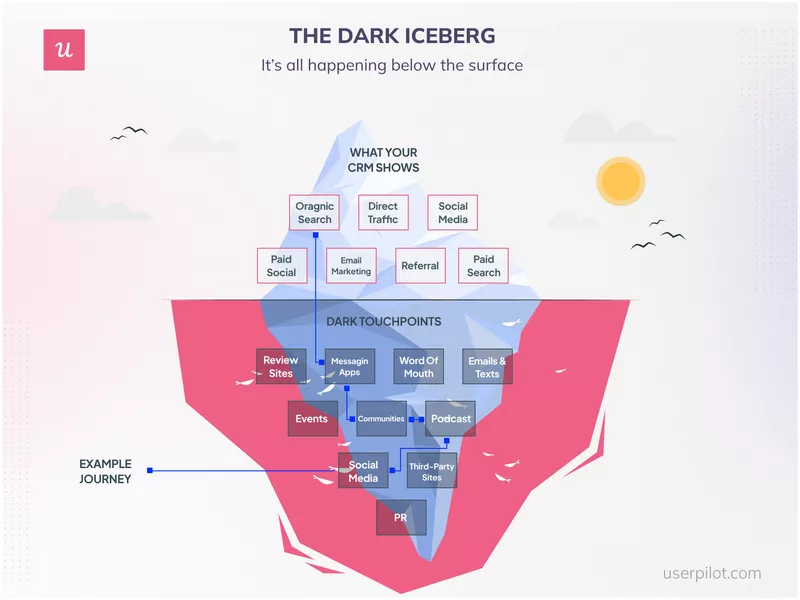
Here is the trap. Your brand drives revenue through channels your software cannot see. The deal looks like it came from direct traffic or a branded search, so the brand gets zero credit and the budget gets cut.
This dark zone has a name. The dark funnel. It is every place a buyer forms an opinion of you that no tracking pixel can follow. Podcasts, DMs, communities, word of mouth, a post a colleague forwarded in Slack.
Refine Labs put a number on the gap. They ran a twelve-month study across 620 declared-intent conversions and 21.5 million dollars in closed-won revenue. Software attribution missed roughly 90 percent of what buyers actually reported. Podcasts drove 53 percent of revenue by self-report and a flat 0 percent by software.
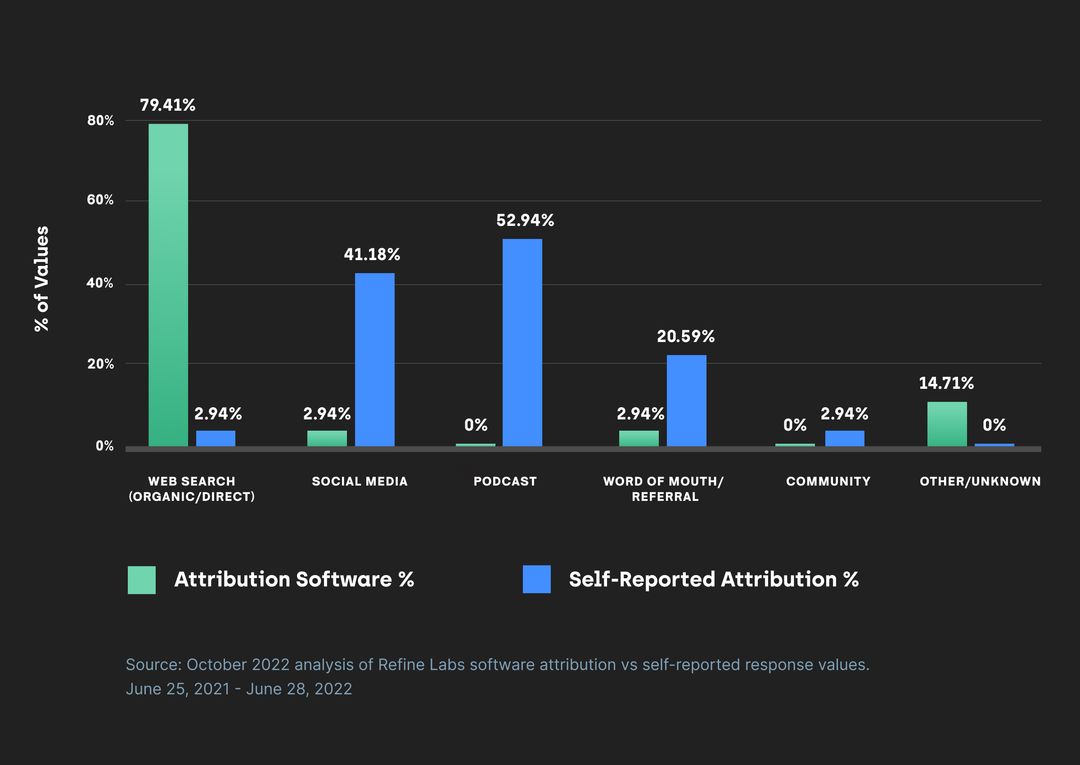
So the founder brand is working and the dashboard says it is dead. The fix is not a better pixel. The fix is asking the buyer directly.
Self Reported Attribution as the Founder Measurement Tool
The most accurate attribution tool ever built is one question. How did you hear about us. Put it on every high-intent form as a required field and the dark funnel lights up.
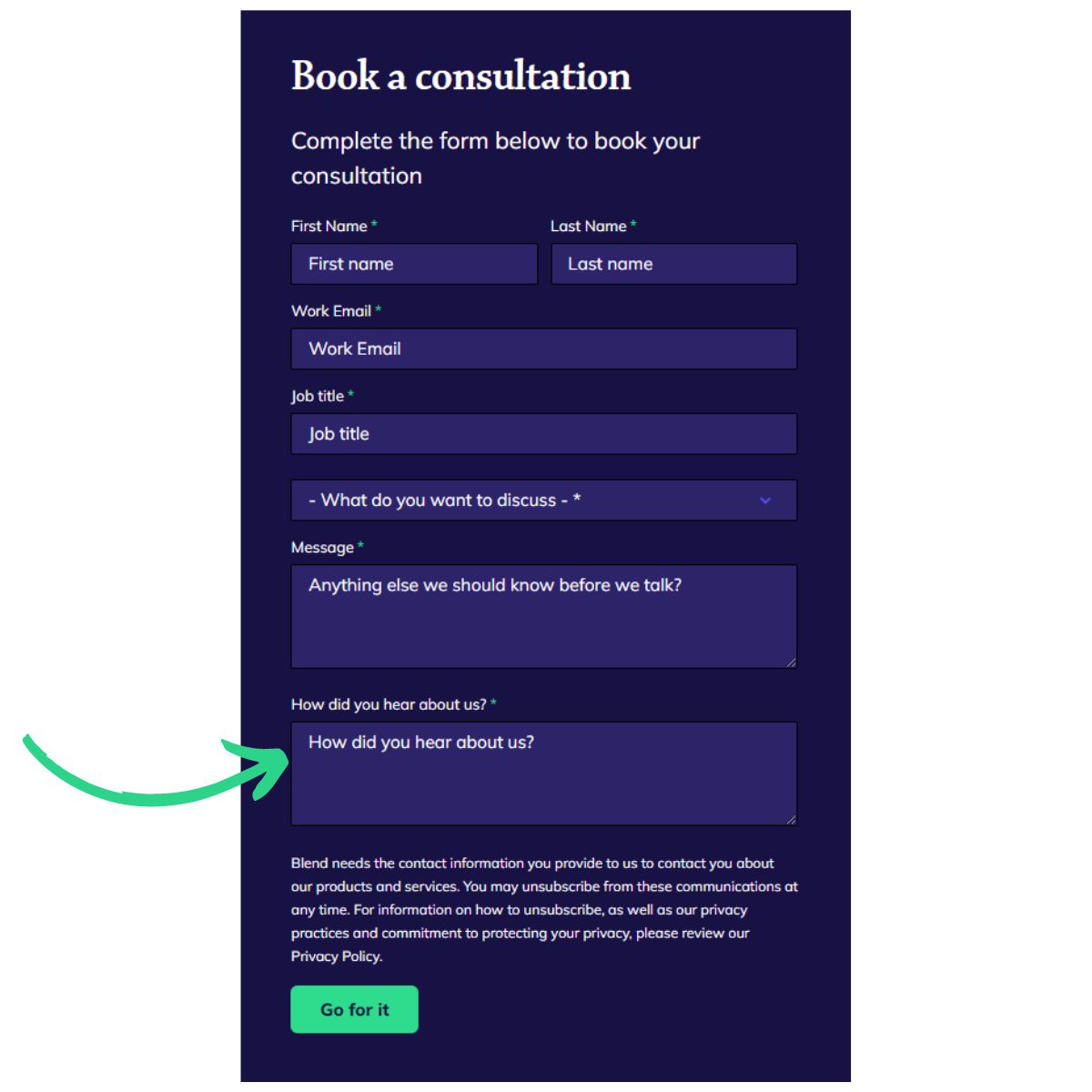
The objection writes itself. An extra field hurts conversion. It does not. Refine Labs swapped a field rather than adding one, and more than a hundred B2B companies have run the play since 2022. A buyer who bails over one honest question was never going to close.
Pair the form with one habit. On every sales call, ask what made the buyer reach out. The answer rarely lives in the CRM. It lives in a post they read three weeks ago and never clicked. Write it down. That sentence is your attribution.
Self-reported attribution is how a founder proves the brand built the pipeline. Software measures what is easy. The buyer tells you what is true.
Five Founder Brand Metrics Worth Tracking
Drop the follower count. Track these five instead. Each one maps to money, and each one moves when the brand works.
Sourced Pipeline
Qualified pipeline where the buyer names your content as the reason they reached out. This is the founder version of marketing-sourced revenue. It is the single number worth defending in a board meeting.
Influenced Pipeline
Open deals where the buyer consumed your content somewhere in the cycle, even when another channel sourced them. Influence shortens cycles and raises win rates without ever claiming the first touch.
Inbound Quality Rate
The share of inbound conversations that fit your ICP. A sharp brand pulls in fewer tire kickers and more real buyers. When positioning tightens, this number climbs. Loose positioning floods the calendar with bad fits.
Sales Cycle Compression
The gap in days between deals that engaged your content and deals that did not. Buyers who already trust you skip the convincing. A brand that compresses the cycle prints money in saved time.
Price Premium
The rate you can charge because the buyer arrived pre-sold. Authority lets you quote higher and discount less. The premium is the cleanest dollar a personal brand ever earns.
Personal Brand ROI in Real Numbers
Put the metrics in dollars and the picture sharpens. Say a founder spends five hours a week on the brand. Roughly 250 hours across the year.
The ledger shows 40 sourced conversations, 9 of them qualified, 3 closed at an average of 30K. That is 90K in sourced revenue against 250 hours. 360 dollars an hour before a single influenced deal enters the count.
Now add the deals the brand shaped but did not source. The buyer arrived through a referral, then read six months of posts before signing. Software hands that revenue to the referral. The buyer hands it to you.
The founder who counts only sourced revenue understates the brand. The founder who counts followers never sees the number at all.
How Long Personal Brand ROI Takes to Show Up
Founders quit at week six because they measured the wrong layer too soon. Pipeline lags reach. Knowing the lag keeps you in the game.
Signal moves fast. Built right, profile views and ICP inbound stir inside two to four weeks. B2B founders see 7 to 18 times growth in LinkedIn impressions inside 90 days.
Revenue takes longer. First sourced deals tend to land between month three and month six. Compounding pipeline shows up across months six to twelve as the back catalog keeps working while you sleep.
Measure signal weekly. Measure revenue quarterly. Judge the brand on a ninety-day window, never on a single post.
The 90 Day Personal Brand ROI Audit
Run this once a quarter. Four steps, one afternoon.
Step one. Add the self-reported attribution field to every high-intent form and brief sales to ask every buyer what made them reach out. No instrument, no data.
Step two. Build a one-page brand ledger. Three columns for noise, signal, and revenue. Most founders have never seen their brand on a single page, and the page alone changes behavior.
Step three. Tag every sourced and influenced deal back to the content the buyer named. A post. A podcast. A comment. Patterns surface fast once you look.
Step four. Cut the content that produced noise and zero signal. Double the content that produced pipeline. The ledger tells you where to spend the next ninety days.
Build a Brand That Pays You Back
A personal brand is an asset or an expense, and the only thing that decides which is measurement. Measure followers and you own a costume. Measure pipeline and you own a channel.
The founder who tracks sourced pipeline, asks every buyer how they found him, and reads the ledger every quarter will compound an asset that sells while he sleeps. The founder who counts likes will perform for an audience that never pays.
Measure the brand the way you measure the business. Money in. Everything else is applause.