Founder webinars get built to fill a room. The good ones get built to empty it.
A founder webinar is a filter wearing a presentation. You run it to find the few real buyers hiding inside a list of curious onlookers, then walk them toward a conversation. Registration count is noise. Pipeline Per Webinar Hour is the only number that maps to revenue.
Every page ranking for this topic was written for a marketing team with a platform budget and an SDR bench. You are the founder. You have an hour, a buyer list, and yourself. That changes the whole game.
The Founder Webinar That Generates Zero Pipeline
The average webinar now pulls 216 attendees, up 7 percent year over year, according to ON24's 2025 benchmark report. Sounds like progress. For a founder selling six-figure deals to a few hundred accounts, it usually means the room is full of the wrong people.
A big registration number tends to signal one thing. Your topic was broad enough to attract everyone, which means it disqualified no one. Two hundred strangers who will never buy is worse than thirty named buyers who might.
The trap is the same trap that kills founder content everywhere. Founders copy creator playbooks built for reach and wonder why the calendar stays empty. Reach feeds the ego. Qualified calls feed the company.
The numbers make the trap look like success. AI-powered reminder sequences now push registrant-to-attendee conversion from the industry-average 56 percent to as high as 71 percent, a 27 percent lift, per Wave Connect. Better attendance of the wrong people is a faster road to nowhere.
Pipeline Webinars Versus Reach Webinars
A reach webinar optimizes for the top of the funnel. More registrations, more attendees, more leads handed to sales. The marketing team owns it and measures it by volume.
A pipeline webinar optimizes for the bottom. Fewer attendees, better attendees, a handful of qualified calls the founder owns directly. The webinar is the last touch before a sales conversation, never the first cold ping.
This is the same shift that drives every other channel a founder should run. It is the heart of founder-led marketing. The founder is the proof, so the founder runs the room.
How to Pick a Webinar Topic Buyers Cannot Ignore
Pick one burning problem your ideal buyer is fighting right now. Not a survey of five trends. One fire they are actively trying to put out.
The narrower the problem, the cleaner the filter. A webinar called "Marketing Trends for 2026" attracts everyone and qualifies no one. A webinar called "How Series A Founders Cut CAC in 60 Days Without Hiring" attracts a smaller room of exactly the right people.
Specificity is the whole strategy. Opportunity expands as focus narrows. The tighter your topic, the higher the buying intent of everyone who shows up.
Test the title against one question. Would a buyer who already pays for the wrong solution feel called out by it. If the answer is no, the topic is too broad.
The best founder topics name a number, a buyer, and a timeline. "Cut churn 20 percent in one quarter" beats "improving retention" every time. The number does the filtering, the timeline does the selling.
The Founder Webinar Stack
Here is the five-layer build that turns an hour into a quarter of pipeline. Every layer does one job, and every job filters for the buyer.
Layer 1 Buyer Filter Invite
The invite should disqualify before it attracts. Name the exact buyer and the exact problem in the title, so the wrong people opt out on their own.
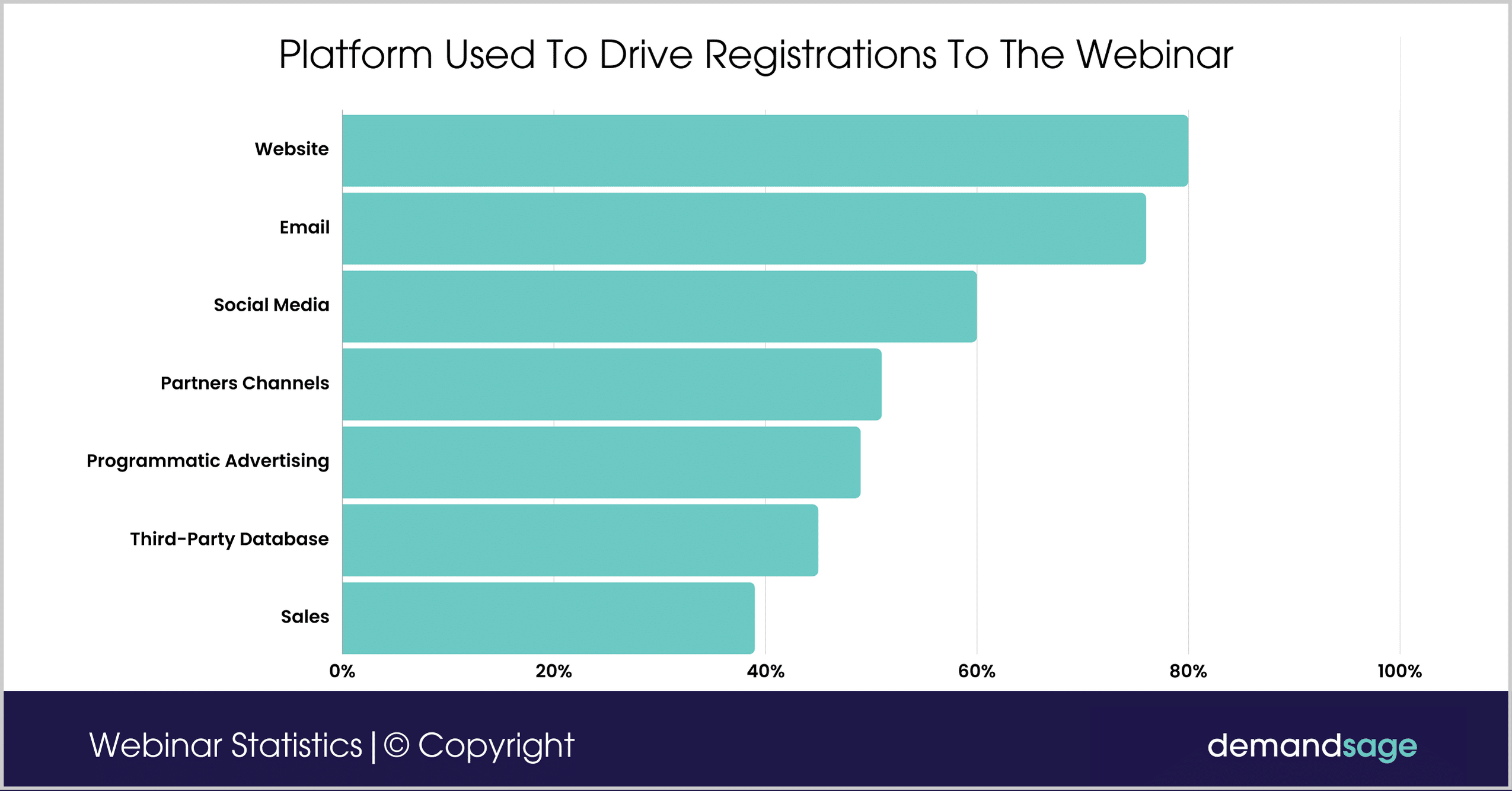
Email carries 73 to 79 percent of B2B webinar registrations, and engaged segments convert at 3 to 5 times the rate of cold lists, per Sequel.io. A founder with a tight buyer list already owns the only distribution channel that matters here.
Layer 2 Single Burning Problem
Build the entire session around one problem and one outcome. The promise on the registration page is a contract. Forty minutes of teaching, then you deliver exactly what you promised.
Add one or two qualifying questions to the registration form. Role, company size, biggest challenge. That form is your first scoring opportunity, the same way a sharp founder lead magnet pre-qualifies before anyone talks to sales.
Layer 3 Live Proof Over Slides
Slides tell. Live proof shows. Tear down a real example, build something in front of the room, or replay a real decision with real numbers.
You are the proof of life buyers came to see. A polished deck signals budget. A live teardown signals competence. Buyers want the second one.
Pull up a real account, a real dashboard, a real before and after. Show the messy middle, not the clean outcome. The mess is what proves you have done this before.
Layer 4 The Disqualifying Q and A
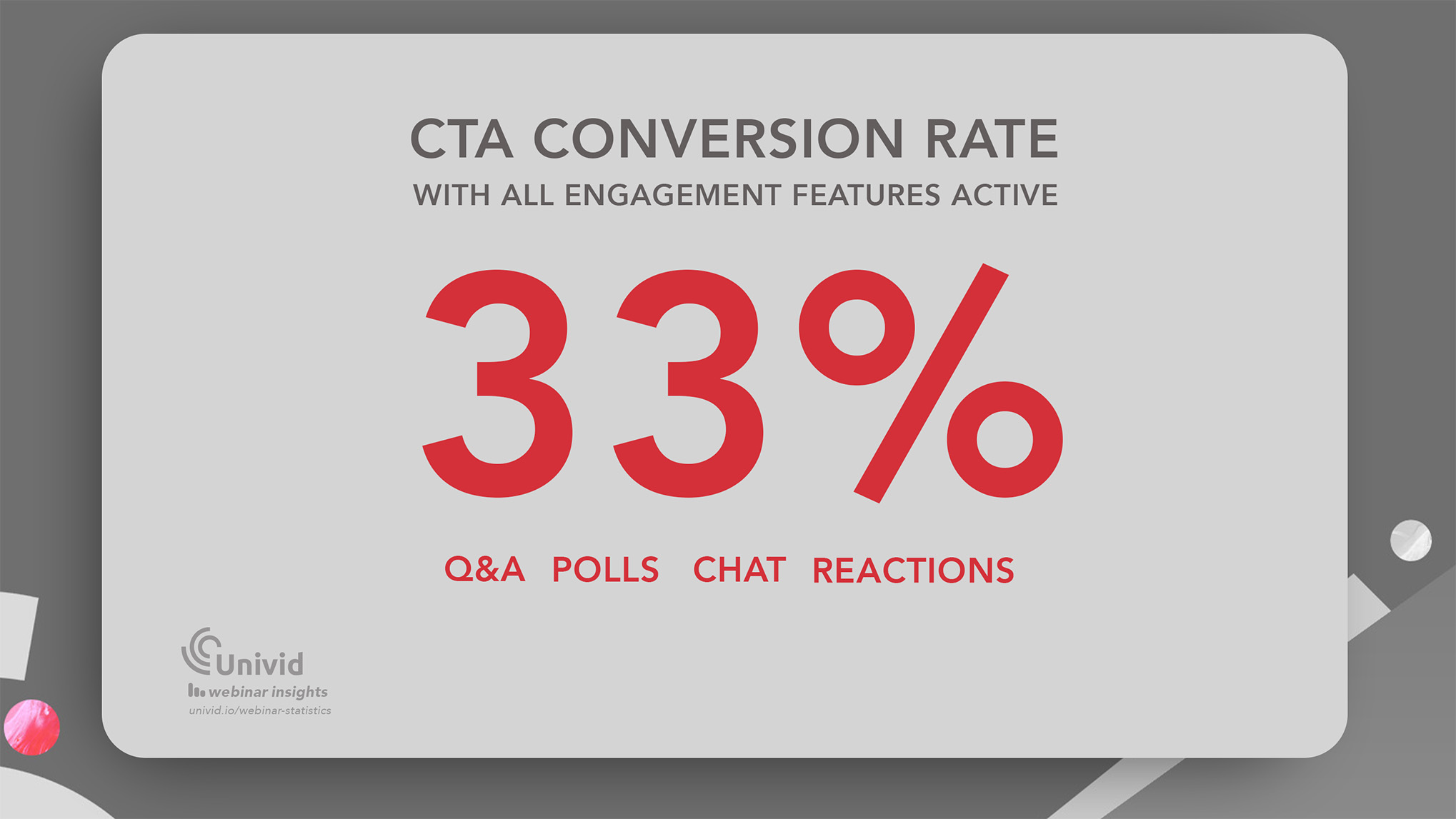
Reserve 15 to 20 minutes for questions. This is where the highest-intent buyers raise their hand with purchase-grade questions, and founders waste it every time.
Treat the Q and A as a filter, never a formality. The person asking how this works for a team of 200 is closer to buying than anyone who stayed silent. Answer their question and note their name.
Layer 5 The Founder Bridge
End with one specific next step that pre-qualifies the call. Not "book a demo with anyone." A narrow offer aimed at the buyers who match.
The bridge is the same disqualification move that powers a good founder DM strategy. Make the next step small and slightly hard to earn.
40 Qualified Attendees Over 400 Registrants
A webinar with 50 qualified ICP attendees outperforms one with 500 untargeted registrants on pipeline. Kalungi makes this point plainly, and it holds for founders harder than for anyone.
Average attendance runs 35 to 45 percent of registrants, and the registration-to-attendee rate sat at 57 percent in 2024. Chase a bigger registration number and you simply buy more no-shows.
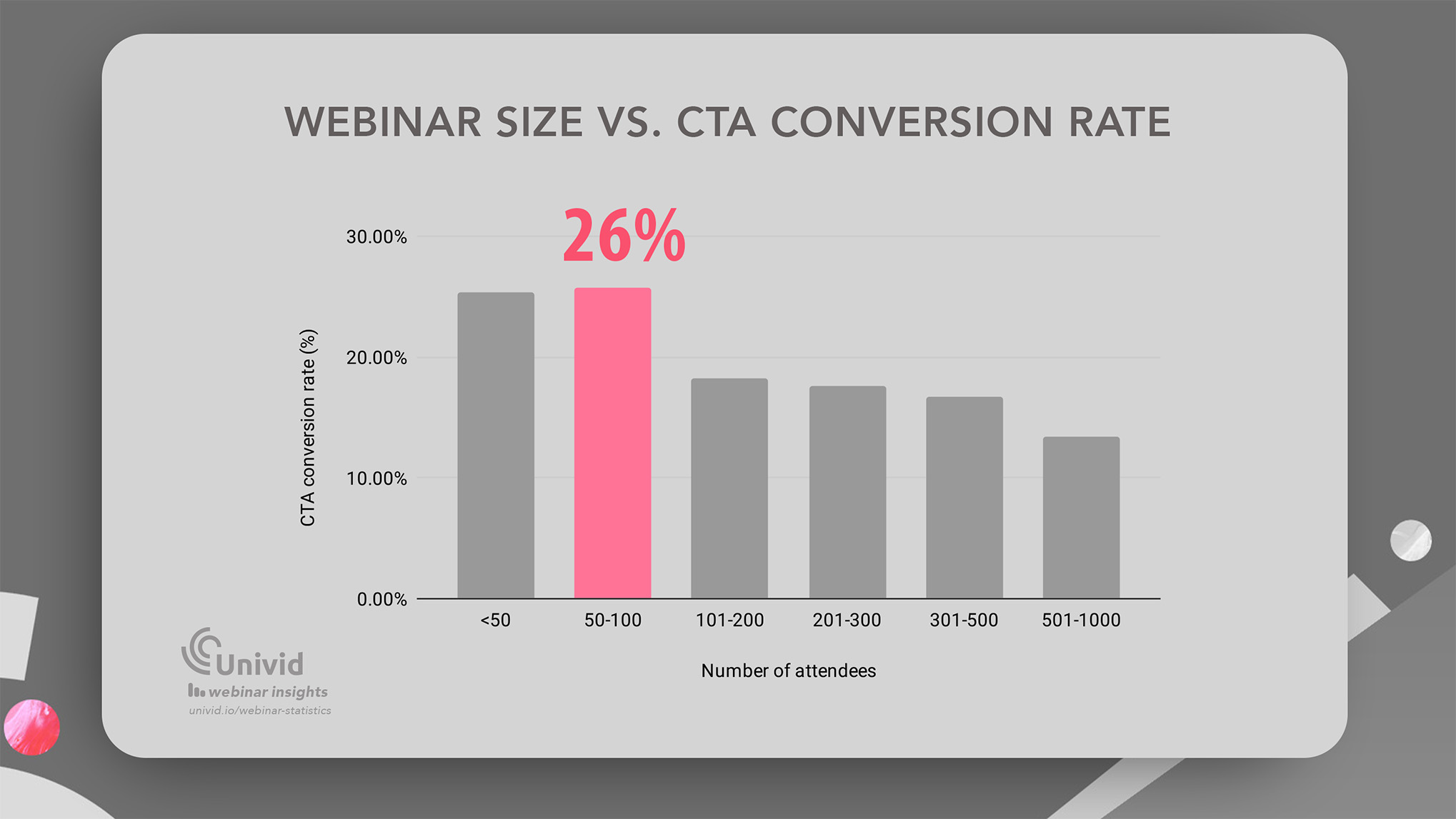
Forty real buyers in a live room is a quarter of pipeline. Four hundred registrants who drift in and out is a report that looks good and closes nothing.
Run It Live Then Sell the Replay
In 2024, 56 percent of attendees joined live and 45 percent watched on-demand, per ON24. The live room and the replay are two assets, not one.
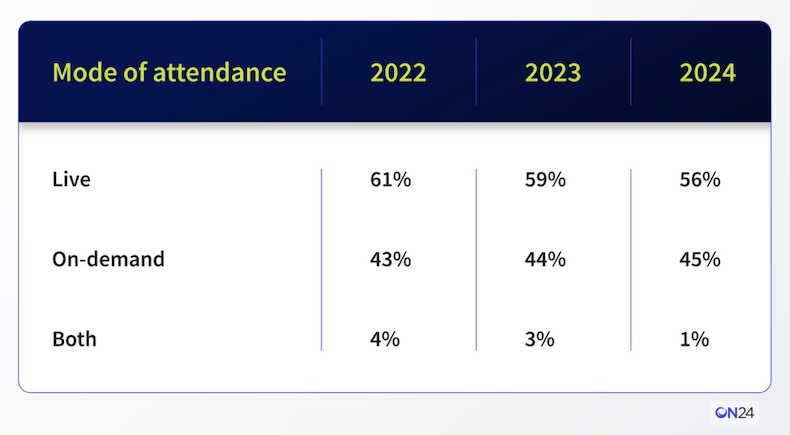
Run it live for the buyers who show up in real time. The live Q and A gives you names and intent you cannot get from a recording.
Then sell the replay to the buyers who missed it. Same proof, second audience, zero extra hours. Build once, sell twice.
The 14 Day Founder Webinar Build
You do not need a marketing team or a launch runway. You need two weeks and four sprints.
Days one through three, pick the problem. Choose the single burning issue and write the disqualifying title. Days four through seven, build the proof. Assemble the live teardown or build, not a 40-slide deck.
Days eight through eleven, fill the room. Email your buyer list, post the invite, send personal notes to named accounts. Days twelve through fourteen, run it and bridge. Deliver the proof, run the disqualifying Q and A, and send the bridge offer inside 24 hours.
Two weeks is the point. A founder who waits for the perfect topic and the perfect deck never ships the webinar at all. Everyone is smart until they start.
The Follow Up Motion That Turns Attendees Into Calls
A single well-executed webinar generates three to six months of pipeline, but only if the follow-up is fast and personal. Strike inside 24 hours while intent is hot.
Send the recording and one clear next step to everyone. Then reach out by hand to the people who asked purchase-grade questions in the Q and A. Name their question, answer it deeper, offer the call.
Founders stop at the group email. The group email is the floor, never the work.
The work is the personal note. Five hand-written messages to the five buyers who leaned in beats a hundred automated drips. You ran the room, so you know who matters.
Gate the recording behind a signup form and the webinar keeps generating qualified leads long after the live hour ends. The same compounding logic that runs a founder newsletter applies to the replay.
Three Founder Webinar Metrics Worth Tracking
Drop registration count from your dashboard. It tells you how good your subject line was and nothing about your pipeline.
Track three numbers instead.
Qualified Attendee Rate, the share of attendees who match your ICP. Pipeline Per Webinar Hour, the sourced pipeline divided by the hours you put in. Time To First Booked Call, how fast the follow-up turns an attendee into a calendar slot.
Those three numbers tell you whether the hour bought revenue or applause. Run the room to disqualify, measure what maps to money, and a webinar stops being a content chore and starts being the cheapest pipeline a founder owns.