
Most founder newsletter advice was written for creators chasing subscriber count. You run a B2B company. You sell six-figure deals to a few hundred accounts a year. That advice fails to apply to you.
This guide flips the playbook. Subscriber count is the wrong KPI. Pipeline-qualified subscribers are the only number that matters. A 1,200-person list of the right buyers will outperform a 100,000-person list of curious onlookers every quarter of every year.
Inside you get the Pipeline Newsletter System, the LTV calculation no other article will show you, and the four-stage framework that turns issues into closed-won deals.
A founder newsletter strategy is a deliberate plan for using a personal email newsletter, written by the founder rather than the marketing team, to build trust with a specific buyer audience and convert that trust into qualified pipeline. The point is never subscriber count. It is named accounts becoming customers.
Why Most Founder Newsletters Are Subscriber Count Theater
Open the inbox of any founder running a struggling newsletter and you find the same three failures.
They write for everyone, so they reach no one. They report opens and forwards while their CRM sits empty. They chase 10,000 subscribers because that number sounded impressive on Twitter.
The creator economy taught founders that newsletters are products. For founders selling B2B software, the newsletter is a weapon. Two species, two playbooks, one shared mistake.
LinkedIn newsletters grew 150 percent year over year and now reach 450 million subscribers, per InfluenceFlow's 2026 LinkedIn newsletter strategy guide. More than 36,000 active LinkedIn newsletters publish each month. The average creator has 2,800 subscribers. Most of them generate zero revenue for the writer.
That is the trap. Reach without revenue. Volume without value.
The Vanity Metric Trap
Subscriber count is a lagging indicator at best and a vanity number at worst. Every founder newsletter case study you read leads with the headline number. CJ Gustafson at 60,000 subs. Lenny Rachitsky at 1,000,000. Sahil Bloom at 800,000. The numbers feel like the prize.
They are never the prize. They are the byproduct of writing for the right person, often, with a sharp stake in the ground.
You have no need for 60,000 readers. You need 1,200 of the right readers and a system to turn engagement into pipeline.
What Audience Means for B2B Founders
A creator audience is broad, casual, and ad-monetizable. A founder audience is narrow, qualified, and product-monetizable.
Your audience is the head of RevOps at a Series B SaaS company with 80 reps and a Salesforce instance held together by hope. Or the VP of Marketing at a vertical SaaS firm whose CMO left last week. Or the COO of a 200-person services business hunting for an operating system.
These people read 8 newsletters a week. They open 3. They forward 1. You want to be the 1.
The One Sentence Test for Every Founder Newsletter
Before you send a single issue, finish this sentence in 25 words or fewer.
This newsletter helps [specific role] at [specific company stage] do [specific outcome] better than they could without it.
If you fail to finish the sentence, you have a hobby, never a strategy.
Examples that pass the test.
"This newsletter helps RevOps leaders at Series B SaaS companies design comp plans that hit quota without burning out reps."
"This newsletter helps technical founders at pre-seed startups turn engineering work into authority on LinkedIn."
"This newsletter helps fractional CFOs at services businesses charge more by showing them what their senior peers charge."
Examples that fail the test.
"This newsletter helps entrepreneurs grow their business with weekly insights." Generic. Forgettable. Dead before issue 4.
Naming the Reader You Write For
Specificity is the cheapest growth lever you have. The narrower your reader avatar, the louder your signal.
Pick a role. Pick a stage. Pick an outcome. Write to one person and 10,000 will lean in. Write to everyone and zero will.
The Would They Pay For This Filter
Ask yourself one item per issue. Would the reader pay 50 dollars for this email if it landed in their inbox tomorrow morning.
If the answer is no, throw the issue out and start again. The newsletter that earns a 50-dollar mental price tag earns the right to ask for a 50,000-dollar contract three months later.
Formats That Survive Past Month Four
Most founder newsletters die in month four. The founder underestimated the workload, ran out of stockpiled ideas, and quit.
The format you pick today decides whether you publish issue 30 or send a guilt email titled "I am sorry I have been quiet."
Three formats survive at the founder scale.
Original Insight
You write a 600 to 1,200 word essay every issue. Your take, your data, your framework. Highest leverage, highest effort.
This is what Lenny Rachitsky and CJ Gustafson run. Lenny crossed one million subscribers in early 2025 and now generates more than two million dollars a year from premium subscriptions, per his own milestone post on lennysnewsletter.com. CJ Gustafson built Mostly Metrics into a roughly half-million-dollar business while running a full-time CFO role.
Original insight wins on quality, loses on consistency. If you skip a week, the reader feels it. If you skip a month, the reader leaves.
Curated With Commentary
You collect 5 to 8 links each week and add 2 to 3 sentences of founder commentary on each. Lower effort, lower leverage, higher survival rate.
This is the sustainable hybrid. The founder reads the industry already. Writing down what you read converts a private habit into a public asset.
Curated with commentary works because the bar for "good" is the founder's taste, never the founder's prose. Taste compounds. Prose tires.
Case Study Dispatch
You publish one case study per issue. A teardown of a customer, a product, a company you respect.
This is the underused format. Every issue is evergreen. Every issue is referenced in sales calls. Every issue is forwarded to a colleague who said "this looks like us."
Case study dispatches turn the newsletter into a sales asset. Account executives at Drift used to send the company's own podcast clips into deals. Your case studies should function the same way.
Format Choices of Burned-Out Founders
Founders who quit picked the original insight format with weekly cadence and zero stockpile. Six issues in, the day job overwhelmed the writing slot. Issue seven slipped a week. Issue eight slipped a month. Issue nine never shipped.
Pick a format you can sustain at 30 percent of your peak energy. Your peak week is the lie. Your average week is the truth.
Editorial Identity That Earns Buyer Attention
Have a point of view or stay home. The 2025 Edelman-LinkedIn B2B Thought Leadership Impact Report found 95 percent of hidden buyers say strong thought leadership makes them more receptive to sales and marketing outreach. 71 percent say it works better than traditional marketing collateral. 64 percent trust it more than product sheets.
Buyers want a stance. They have product spec PDFs from 12 vendors. They need a thinker who calls bad ideas bad and explains why.
How to Find a Contrarian Angle Inside Your Category
List the 5 most repeated claims in your industry. Now find the one you can defensibly disagree with.
Most growth marketers will tell founders to "post consistently on LinkedIn." A defensible counter is "post when you have a stake in the ground worth defending and stay quiet the rest of the week." Same category, opposite stance.
Pick the stance you can defend with one client story and one industry stat. That stance becomes your editorial north star for the next 24 months.
The Industry Hype List
Keep a private list of every overheated trend in your category. AI agents replacing CFOs. Headless commerce. The death of cold email. Whatever the hype cycle pushes this quarter.
You will mine that list for issue ideas. The contrarian take on a hyped topic earns three times the engagement of a fresh take on a cold topic. Sahil Bloom built an 800,000-subscriber list largely on contrarian framings of conventional wisdom.
Neutrality as the Slowest Path to Zero Subscribers
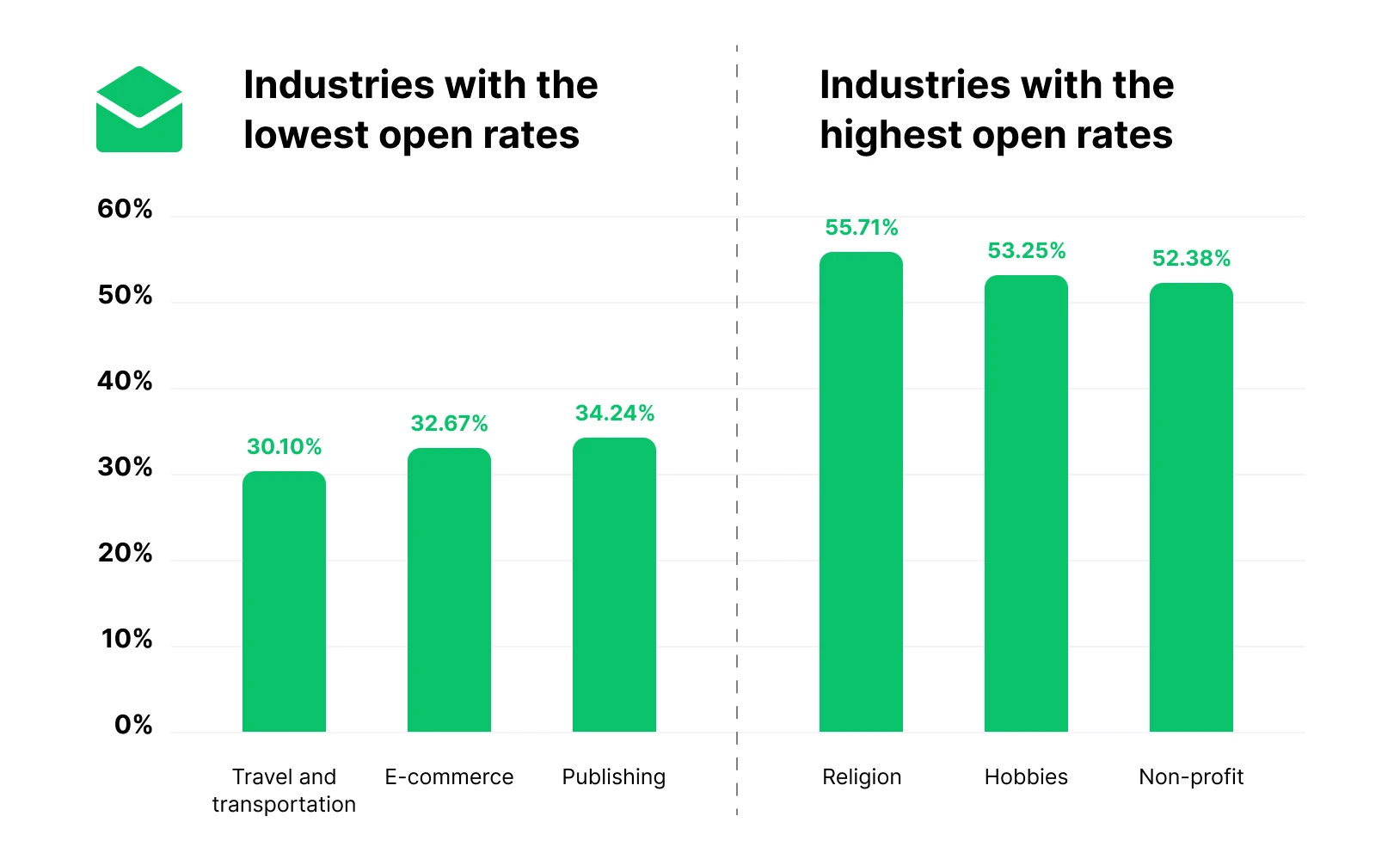
Most founder newsletters die from neutrality before they die from churn. The neutral founder publishes "5 lessons from this week" and gets 22 percent open rate. The opinionated founder publishes "Why your CFO has your customer acquisition cost backward" and gets 45 percent open and three replies that turn into discovery calls.
Pick a side. Defend it. Watch the right people lean in.
The First 1,000 Subscribers Without Buying Them
You will hear advice to run paid acquisition or sponsor swaps. Both work for creators. Both fill a B2B founder's list with non-buyers.
Build the first 1,000 the slow way. Three channels carry the load.
LinkedIn as Distribution Backbone
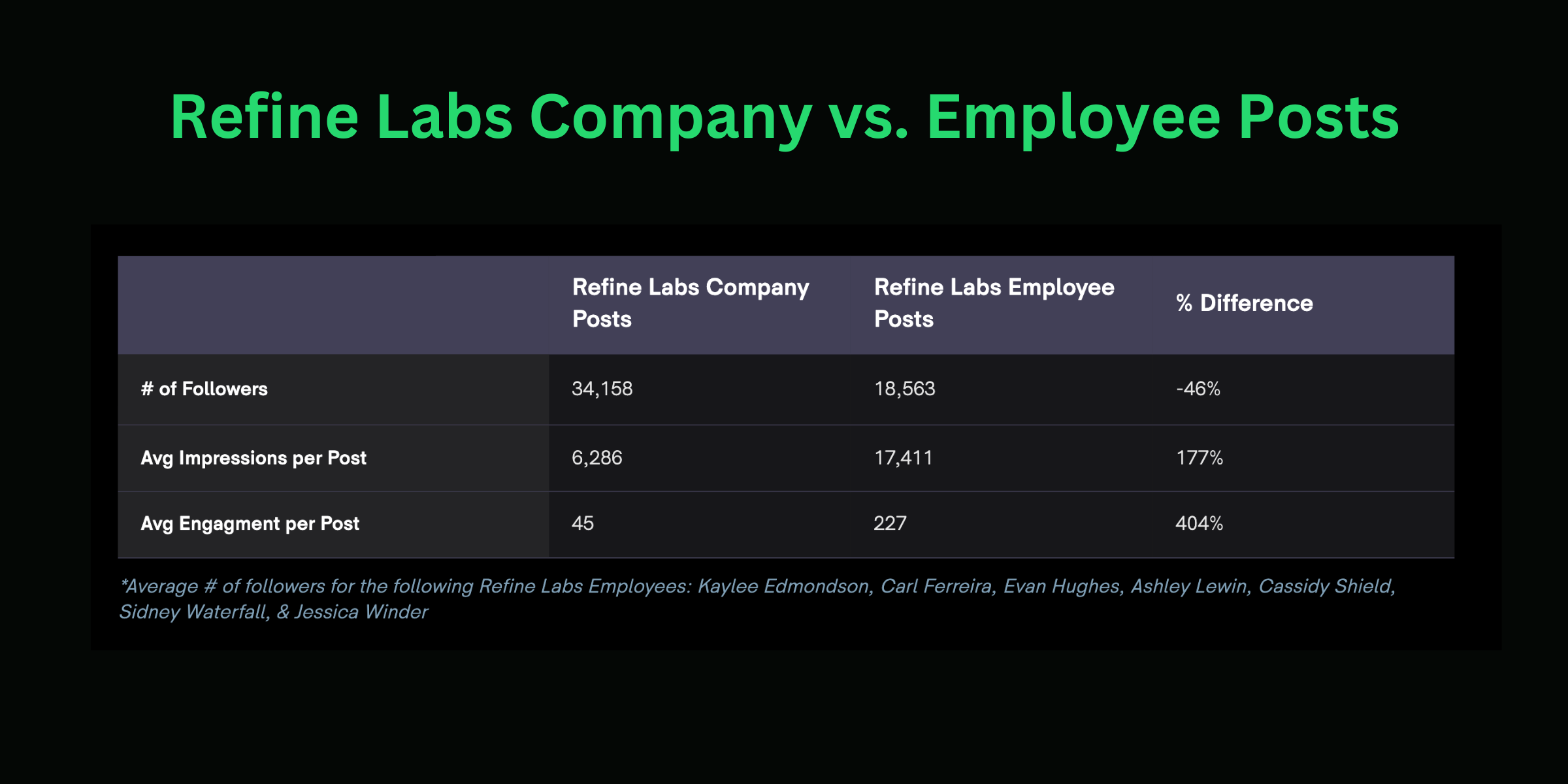
Personal-profile content represents 59 percent of LinkedIn feed content versus 2 percent for company posts, per Dipity's CEO content analysis. CEO content drives roughly 5 times more engagement than the company page.
Cross-post each newsletter issue as a LinkedIn carousel or text post the same week. Drop a single line at the end of the post that reads "I publish a deeper version of this every Tuesday in my newsletter. Subscribe at [domain]."
This is the highest converting top-of-funnel a founder owns. Free reach, owned audience, qualified subscribers. Inbound is a signal harvesting game, and your newsletter sits at the deepest layer of that funnel.
Website Capture That Earns the Click
Footer signups convert at 0.3 to 0.8 percent. Dedicated landing pages convert at 8 to 15 percent. Build the landing page.
One sentence at the top says who the newsletter is for. Three bullets say what the reader will learn. One field captures the email and the role. The role field is the unlock. You score subscriber quality from the moment they sign up.
The Gated Archive Trick
Publish your archive ungated for SEO. Place a soft email gate on the highest-value piece in the archive (the case study, the framework, the LTV calculator). Every visitor who hits that page gets a one-line offer to subscribe.
This converts at 4 to 8 percent of visitors who reach the gated piece. The visitors who hit that page are already engaged with the topic. They are the highest-quality subscribers you will ever get from search.
Guest Contributors Who Bring Their List
Invite a peer founder to write a guest issue. They get the byline and the subscriber lift. You get their list when they cross-promote the issue to their audience.
Run one guest issue per quarter. Each guest issue lifts net subscribers by 200 to 500 if the guest's list overlaps your ICP.
Turning Subscribers Into Real Pipeline
This is where most founder newsletters die quietly. The list grows, the open rate stays solid, the CRM shows zero sourced opportunities. You have built a reading club, never a revenue channel.
Pipeline conversion runs through four moves.
Engagement as Intent Signal
Every email tool tracks opens and clicks per subscriber. Pipe that data into your CRM as a custom field on the contact record.
An account that opens 6 of your last 8 issues and clicks the case study link is in-market. They have raised their hand without filling out a form. Sales sees the engagement, references the issue, and reaches out with one specific question.
This single move accounts for the largest share of newsletter-sourced revenue at every founder-led B2B program I have seen.
The Monthly Contextual CTA
Once a month, drop a soft CTA inside an issue. Never a banner. Never a pitch. A line of body copy that reads "If you are running into this exact problem, reply to this email and I will share the playbook we use with three of our customers."
Reply rates on contextual CTAs run 1 to 3 percent on a B2B founder list. At 1,200 subscribers, that is 12 to 36 inbound replies a month from people who self-identified the buying signal.
ABM Warming With a Newsletter
Pull the top 100 named accounts from your sales team. Hand-add the right contacts at those accounts to your subscriber list (with consent and a confirmation email).
The newsletter becomes the warming layer for your ABM motion. By the time the SDR reaches out, the contact has read 6 issues and has a frame for who you are. Cold email response rates from warmed subscribers run 3 to 5 times higher than from a fully cold list.
How to Attribute Closed-Won to Newsletter Influence
Most founder-led newsletters get killed because the founder fails to prove revenue. Build the attribution loop on day one.
Tag every newsletter-sourced subscriber in the CRM. Every closed-won deal that includes a tagged contact gets a "newsletter-influenced" flag. Quarterly, you report two numbers.
Sourced revenue covers deals that started from a subscribe-in event. Influenced revenue covers deals where any decision-maker was a subscriber for 60 days or more.
The influenced number always dwarfs the sourced number. Both belong on the report.
A Production System Built for Founder Hours
Founders quit newsletters because the writing slot ate the operating slot. Build the production system before you ship issue one.
Four Hours Four Issues
Batch four issues in one four-hour Saturday session each month. Outline the four. Draft the openers. Pull the data. Lock the calendar.
Now your weekday writing slot drops from "find a topic, draft, edit, ship" to "polish the draft, ship at 8 AM Tuesday." 30 minutes a week instead of 4 hours. The same logic powers the four-hour founder content system we run with consultancy clients.
The Three Source Rule
Every issue references at least three sources. One client story (private, anonymized if needed). One industry data point (cite the source). One outside thinker you respect (link to their work).
This rule kills thought-leadership platitudes. You fail to write generic advice when every issue requires a named client, a real number, and a linked source.
AI Help vs AI Voice Killers
AI helps with the boring parts. Outlining, summarizing source material, formatting. AI fails at the parts that earn the subscriber. The opening hook. The contrarian framing. The specific client anecdote.
Use AI for 30 percent of the work. Write the other 70 yourself. The reader can tell within 200 words. Most founders who fully outsource to AI lose the open rate within six issues.
Real Numbers From Real Founders
Theory ends here. Real founders, real numbers.
CJ Gustafson and Mostly Metrics
CJ Gustafson runs Mostly Metrics, a CFO-focused newsletter. The list crossed 60,000 subscribers and reportedly hit a 48 percent open rate at 14,000 subs in early 2023, per the Growth in Reverse interview on growthinreverse.com.
Sponsor pricing runs 5,000 to 10,000 dollars per slot. The newsletter built into a roughly half-million-dollar business while CJ kept his full-time CFO role. The audience match is the asset. Finance leaders read finance content from a sitting CFO. Closed loop.
Carry and the One Million ARR Newsletter
Carry, a financial-products company, hit one million dollars in annual recurring revenue in ten months using a founder-led newsletter as the primary acquisition channel. The case was documented in the Beehiiv "Unlock 1M ARR with a Founder-Led Newsletter" virtual event in February 2025.
Carry's playbook was narrow audience (high-earning solopreneurs and founders), high-frequency cadence (twice weekly), and aggressive product integration. Every issue had one product mention. Every product mention had a reason to click. The conversion compounded.
Lenny Rachitsky and the Premium Tier Exit
Lenny crossed one million subscribers in early 2025 and runs more than 18,000 paid subscribers across two paid tiers (200 dollars per year standard, 350 dollars per year Insider tier with bundled tools). Annual revenue from premium subscriptions runs well over two million dollars.
Lenny's lesson for founders is the premium tier as the exit from sponsor dependence. Once you have 10,000 right-fit subscribers, the premium tier becomes the natural compounding revenue layer. Most founders ship sponsorships when they should ship paid product.
The LTV Calculation No One Else Publishes
Every other article in this category measures the newsletter in subscribers. They should be measuring it in dollars.
Here is the LTV calculation for a B2B founder newsletter.
Take a 1,200-subscriber list. Assume 30 percent are engaged (read 50 percent of issues). Assume an annual subscriber-to-customer conversion of 0.7 percent (a deliberately conservative figure inside the published B2B SaaS lead-to-customer range). At a 40,000 dollar ACV, that is roughly 8 customers per year. Annual closed-won pipeline value, 320,000 dollars.
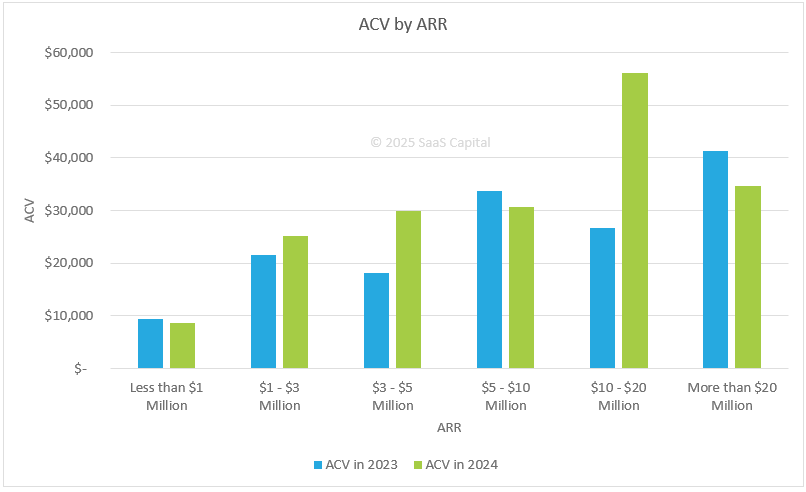
Per the 2025 Optifai B2B SaaS ACV benchmark study (939 companies), median ACV is 26,265 dollars and mid-market average is 40,000 dollars. The numbers below use 0.7 percent annual conversion as the conservative case.
Pipeline Value Table at 0.7 Percent Annual Conversion
| List Size | Customers per Year | $20K ACV | $40K ACV | $80K ACV |
|---|---|---|---|---|
| 800 | ~6 | $112,000 | $224,000 | $448,000 |
| 1,500 | ~11 | $210,000 | $420,000 | $840,000 |
| 4,000 | ~28 | $560,000 | $1,120,000 | $2,240,000 |
Per-subscriber LTV at 40,000 dollar ACV with a 3-year customer lifetime, 840 dollars. Compare that to a Substack paid subscriber at 60 to 200 dollars LTV. A B2B founder newsletter subscriber is worth 4 to 14 times a paid creator subscriber.
Stop counting subscribers. Start counting dollars.
When to Kill Your Founder Newsletter
Every other article assumes you should keep going. The honest answer is most founders should sunset theirs at month six if the signals appear.
Three signals that mean kill it.
Flat Growth and Zero Pipeline
If your list has been flat or shrinking for 90 days AND you have zero sourced opportunities from the newsletter, the system has failed. Either the audience is wrong or the conversion mechanism is broken. More issues will fail to fix either.
Sub Twenty Five Percent Open Rate on a B2B Niche List
B2B niche newsletters with the right audience hold open rates of 35 to 50 percent. If you are below 25 percent and the trend is downward, the audience has stopped caring. Audit the last 8 issues.
If they all read like generic advice, the cause is the writing. If they all read like quality but the opens fall, the audience was wrong from the start.
Dread Before the Next Issue
The founder who dreads the writing slot will skip the next one. The founder who skips one will skip three. The newsletter dies of attrition long before the founder admits the audience problem.
If you have dreaded the last four writing sessions, kill the newsletter or hand it to a writer who shares your stance. The half-shipped newsletter does more damage to your brand than no newsletter at all.
What to Do This Week
You have two work blocks ahead. Total time, ninety minutes.
The Ninety Minute Audit
Block one, 45 minutes. Run the One Sentence Test on your current newsletter (or your planned one). If you fail to write the sentence, kill the project until you can.
Block two, 45 minutes. Score your last 5 issues against the Pipeline Newsletter System. For each issue, mark the stage you optimized for (Reader, Subscriber, Engaged Account, Pipeline). Most founder newsletters score 5 out of 5 on Reader and zero on the other three. That score is the disease.
The First Issue for Tomorrow
One thousand words. One contrarian stance you can defend. One real client story (anonymized). One specific data point with a source link. One soft CTA in the closing paragraph.
Send it Tuesday at 8 AM in your reader's time zone. Watch which accounts open. Pipe the engagement into your CRM. Reach out to the top three openers with a personal note that references what they engaged with.
Pipeline starts on issue one.