
Technical founders own the highest-trust product in their category and the lowest-trust public presence. Every week a marketer-founder with half your engineering depth wins the LinkedIn conversation you should own. The gap has a cause, a name, and a fix.
The cause is engineering discipline pointed at the wrong target. The name is the translation gap. The fix is a content operation that converts the work you already ship into buyer language, without losing the rigor that makes you credible.
This playbook covers why technical founders underperform on personal brand, the four engineering habits killing your reach, a translation framework that turns artifacts into assets, real technical founders running this well, and a five-hour weekly cadence that respects your calendar.
Why Technical Founders Underperform on Personal Brand
Technical founders win buyers faster once a conversation starts. Trust is already earned through product depth, GitHub history, and architecture knowledge. The problem sits one step earlier. Conversations fail to start.
Personal posts pull 5x more engagement than company pages on LinkedIn, and thought leader ads outperform brand ads at 1.7x click-through with 40% lower cost per lead. Technical founders read those numbers and keep shipping code instead of publishing.
Buyers trust founder voice more than company voice. A 2026 SaaS study found founders sharing transparent metrics, failed experiments, and engineering decisions see 47% higher engagement than peers recycling third-party reports. A separate data cut showed SaaS founders posting on their product development earn 3.4x more engagement than those posting generic industry takes.
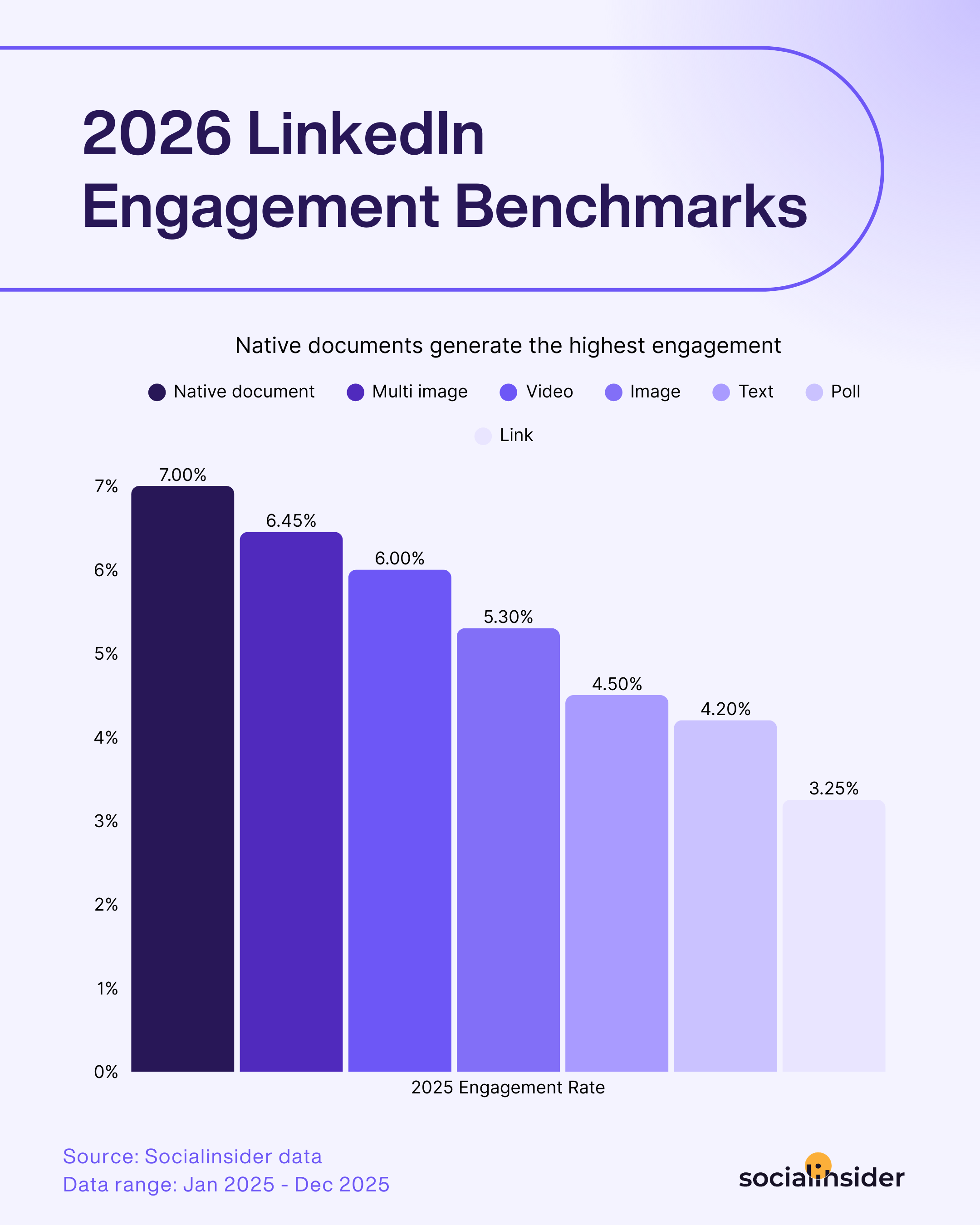
Every data point argues for technical founders to lead with their actual work. Most of them stay silent. The silence has a cause.
The Engineering Mind Trap
Four engineering habits that build great products also kill brand building. Every technical founder I work with runs at least two of them.
Optimizing for Correctness Over Consistency
Engineers ship when the code is correct. Brand builders ship when the thinking is formed enough to defend. These are opposite standards. Technical founders delay posts waiting for a complete model of their view, which fails to arrive because views form through public reps.
Half-formed takes beat fully-formed silence every time. A rough take that sparks comments from ICP buyers gives you stronger feedback than a polished essay with zero replies.
Waiting for Completeness
Engineers avoid pushing to main until the feature is done. Founders who apply that bar to content publish four posts a year. Complete features ship quarterly. Complete thoughts never ship.
Twitter threads by Guillermo Rauch during Vercel outages work because he posts live, mid-fix, with incomplete information. The incompleteness is the signal. Buyers trust operators who think in public, never operators who perform a finished performance.
Qualifying Every Claim
Engineers hedge because edge cases exist. "Usually," "in my experience," "it depends." Every hedge trims authority. Buyers need quotable lines they can paste into Slack. Hedged writing generates zero quotes.
Direct claims earn criticism and carry weight. Qualified claims avoid criticism and carry nothing. Pick one.
Shipping in Private
Most technical founders ship daily. Commits, architecture decisions, incident reviews, customer calls, internal Looms, product demos, postmortems. None of it gets published. The work exists only for the team.
The asymmetry is brutal. You generate more interesting content per week than most LinkedIn creators produce in a year. Your content stays in Slack, private GitHub, and your head. Their content reaches buyers.
The Build-to-Brand Translation Layer
The fix is a translation layer with four stages. Artifact becomes insight. Insight becomes lesson. Lesson becomes asset. Every piece of work you already ship passes through the same four questions.
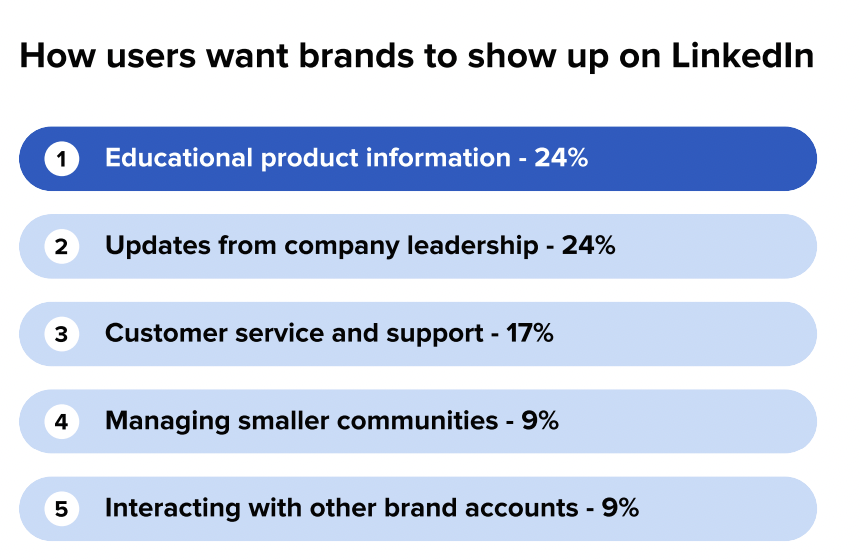
Stage One Artifact
Every week you generate raw material. PRs merged, architecture decisions made, incidents resolved, customer calls held, features shipped, internal docs written. Write down five artifacts every Friday. No judgment yet on which ones matter publicly.
A solo founder at a seed-stage infrastructure startup logs things like, migrated Postgres to Planetscale, held a 45-minute call with a prospect who wants on-prem, killed a feature two engineers wanted to build, shipped a latency fix that dropped p99 from 340ms to 80ms, read a paper on vector databases.
Stage Two Insight
For each artifact, state why you chose that path over the obvious alternative. The answer carries your worldview. The p99 fix becomes a post on why latency budgets outweigh feature velocity at seed stage. The killed feature becomes a post on why saying no to engineers with a strong case is the highest-leverage CEO work.
Insights hold value because they reveal reasoning, never outcomes. Outcomes can be copied. Reasoning builds trust.
Stage Three Lesson
Every insight teaches you something transferable. Pull that lesson into a line. "Latency budgets outweigh feature velocity at seed stage." "Saying no to strong engineers is the highest-leverage CEO work." These are lines buyers quote, share, and remember.
Weak founders skip straight to lessons without the artifact and insight underneath. The result reads as LinkedIn bro copy. Strong founders earn the line by showing the work behind it.
Stage Four Asset
Compile recurring lessons into reusable assets. A framework gets its own post every 60 days. A customer story gets rotated across LinkedIn, Twitter, newsletter, and podcast. An architectural stance becomes a keynote talk.
The translation layer ends when one artifact feeds five pieces of content across four channels. Leverage compounds when the same thought travels further each quarter.
Positioning comes before posting. Book a 15-min fit call
Converting Commits Into Content Buyers Trust
Most technical founders have three content sources they never mine. Customer support threads, architecture reviews, and hiring interviews.
Customer support threads are the richest raw material on the internet. Every ticket reveals a gap between what users expected and what the product delivered. Every gap is a post waiting to be written. Pull the top ten tickets from the last month. Convert five into posts explaining why the gap exists and what your product does with it.
Architecture reviews are where worldview forms. The choices you defend in Slack with your team are the same choices buyers want to see defended in public. Publish the ones that reveal your taste, never the ones that reveal trade secrets.
Hiring interviews reveal the skills your industry underprices. The skills you keep screening for tell a story on where your market is heading. Write it.
Real Technical Founders Who Got This Right
Guillermo Rauch runs Vercel and publishes engineering takes on Twitter daily. His feed reads like an engineering journal made public. Every post earns trust because it carries the texture of someone who ships. Vercel's personal brand and company brand compound because the founder posts the way an operator thinks.
Tobi Lütke runs Shopify and publishes on engineering culture, founder time management, and tool preferences. His takes land because they carry specificity beyond what a marketer can fake. The same content from a non-technical CEO would read as theater.
DHH runs 37signals and publishes opinionated essays on cloud costs, Ruby on Rails, and remote work. His audience buys Basecamp and Hey because his stance on software design is legible from every essay. Content and conviction move in lockstep.
Patrick Collison runs Stripe and publishes reading lists, long-form essays, and infrastructure commentary. His personal site has no newsletter signup and no conversion goal. Every piece of content earns compound trust across a decade.
Pieter Levels runs solo indie products and posts raw MRR charts, customer churn, and product failures publicly. His audience trusts the numbers because the numbers sit in public view. Transparency beats polish in B2B buyer psychology.
Where Most Technical Founders Waste Months
Three traps swallow early momentum. Each one feels productive while producing nothing.
Trap one. Building your own publishing platform before publishing. Technical founders love infrastructure projects. A custom blog in Next.js with a self-hosted CMS and a newsletter integration takes four weekends. Four weekends of writing on LinkedIn beats four weekends of building a site nobody visits. Start where buyers already scroll.
Trap two. Writing technical deep dives only other engineers read. A 4000-word essay on Kubernetes internals attracts engineers looking for work, never buyers looking to purchase. Write for the buyer's altitude, never the peer's altitude. Engineers can read up. Buyers will scroll past.
Trap three. Chasing virality through memes and hot takes on trending topics. Technical founders who post generic AI commentary borrow attention once and lose authority every time. Your edge is specificity. Lean into the specific work only you could have written.
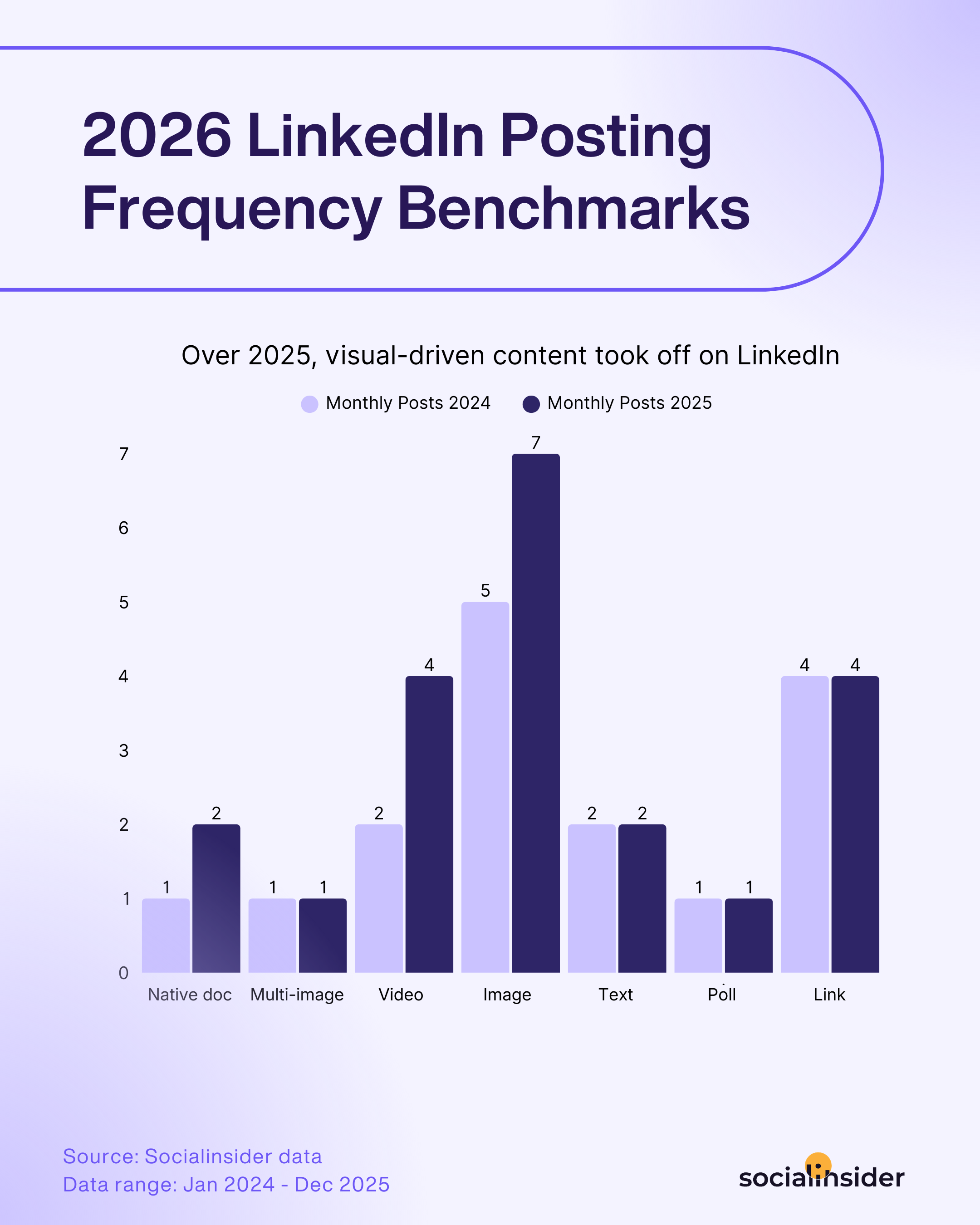
The Five-Hour Weekly Cadence for Technical Founders
Five hours a week. Three blocks. Everything else creates drag.
Block one. Friday afternoon, 45 minutes. Log your five artifacts from the week. Pick one worth publishing. Write the post in the same sitting. Short, rough, direct.
Block two. Monday morning, 90 minutes. Read six pieces of content from buyers inside your ICP. Leave 15 substantive comments that add value. Write one post reacting to something a buyer posted. Engagement drives reach more than posting alone.
Block three. Wednesday evening, 60 minutes. Reply to comments on your last three posts. Send DMs to the five strongest commenters. Book calls with anyone who replies to a DM positively.
That cadence totals 195 minutes weekly with buffer for interviews, voice memos for a ghostwriter if you use one, or guest appearances. Scale up only after 90 days of consistent execution. Most technical founders try to start at seven hours weekly and quit in week three.
How to Measure Signal Over Vanity
Three metrics tell you whether the brand is moving pipeline. Ignore the rest.
First, buyer-quality inbound DMs per week. Count messages from people whose title, company, and budget sit inside your ICP. Five per week means the content is landing. One per month means the content fails to filter.
Second, profile-to-site clicks. LinkedIn shows this inside creator analytics. Technical founders with strong profiles and direct CTAs see 2-5% click-through from profile view to site. Below that, the profile needs a rewrite.
Third, dwell time on posts. LinkedIn now surfaces average dwell per post. Anything under five seconds reads as scroll-past content. Posts holding readers for 30+ seconds move reach and earn compound distribution. Your technical depth works for you here because specificity slows buyers down.
Likes sit outside those three. Likes are lagging signals of social proof, never leading signals of pipeline. Technical founders who measure likes optimize for the wrong loss function.
What Changes When Technical Founders Start Publishing
Inbound pipeline arrives first. Within 60 days of consistent publishing, a technical founder with 2,000 followers and one sharp POV generates more qualified inbound than most companies produce through paid ads. The quality improves because the audience self-filters around your specificity.
Recruiting strengthens next. The engineers you want to hire read LinkedIn before they read job boards. A founder publishing candid takes on architecture and product decisions attracts the profile of engineer who values building over résumé stacking. Strong founder voice cuts offer-decline rates and shortens funnel length.
Fundraising gets easier last. Investors due-diligence your public writing before they take a first call. A body of work on your positioning, product philosophy, and customer wins compresses the first three meetings into one. Capital flows easier to founders who already have a stance.
The founders who start today win compounding gains across six quarters. The founders who wait until they feel ready hand the conversation to peers with weaker products and louder voices. Your product already outperforms theirs. The brand work is how buyers find it.