
Most founder storytelling advice is inspiration dressed as strategy. Founders memorize the Hero's Journey, recite their origin over coffee, and wait for buyers to fall in love. Nothing happens.
The framework below comes from watching hundreds of founder stories land or die on LinkedIn, stage, pitch, and podcast. The ones that move pipeline share a five-part spine. The ones that collect likes share the same four mistakes.
Storytelling works. But only when the story carries the buyer one step closer to the decision. Every other story is entertainment.
Why Most Founder Storytelling Falls Flat
Founders keep reaching for narrative arcs designed for Hollywood. Joseph Campbell's Hero's Journey runs twelve to seventeen stages across three acts, built for two-hour films and mythological epics. LinkedIn gives you six seconds before the scroll.

The Hero's Journey was never designed for B2B buying cycles. It was designed by mythologist Joseph Campbell in 1949 to explain how Star Wars, Beowulf, and The Odyssey all share one mythic shape. The arc runs 12 stages in Christopher Vogler's 1985 Disney adaptation, beginning with "Ordinary World" and closing with "Return with the Elixir."
Founders who copy that arc end up writing posts where they are the hero and the buyer is an extra. The buyer feels it. The buyer scrolls.
Founder storytelling for pipeline inverts the arc. The buyer is the hero. The founder is the mentor with a scar. The product is the elixir.
The research backs the inversion. Emotion-driven storytelling can lift content engagement by 70 percent, and brands with strong emotional connection see 306 percent higher customer lifetime value, per WiFi Talents' 2025 emotional marketing data. But emotion without a bridge to the buyer's problem produces engagement without revenue. Feeling never signed a contract.
Stanford Graduate School of Business research on founder storytelling concludes the same thing from the other direction. Great founders tell stories to customers, employees, and investors, and the story has to feel "right" to each audience at its own stage. Generic storytelling feels generic. Audience-matched storytelling converts.
The Five Part Founder Storytelling Framework
Call it the Signal Story Framework. Every pipeline-producing founder story follows five beats in this order. Skip any beat and the story leaks value.
Beat One the Tension
Open on the moment something broke. A customer walked. A launch flopped. A cofounder quit. A metric collapsed. The sharper the moment, the harder the hook lands.
Tension beats preamble. Never start with "Back when I was starting out." Start with "The day we lost our biggest customer, I opened my laptop and refreshed Stripe every ninety seconds for four hours."
Specificity does the work. A named moment sets the scene. A vague feeling sets nothing.
Beat Two the Stakes
The reader has to feel what was on the line. Money. Team. Reputation. Time. Your identity as a founder.
Stakes are the reason the reader keeps reading. Without stakes, the tension reads as drama. With stakes, the tension reads as decision.
Concrete stakes outperform emotional ones. "Six months of runway" beats "I was scared." "Forty percent of ARR" beats "A huge chunk of revenue." Numbers land harder than adjectives.
Beat Three the Choice
Every pipeline story pivots on a contrarian decision. The founder did something unconventional, counterintuitive, or quietly brave. The decision has to be visible, nameable, and against the conventional playbook.
"We cut our product in half" reads as a choice. "We focused on customers" reads as filler. The decision has teeth because it cost something.
If there was no real cost to the choice, the reader feels the story was engineered. Founders who win on LinkedIn show the scar tissue.
Beat Four the Lesson
The lesson is the transferable insight. Compress the story into one portable line a buyer could tattoo on their brain and use tomorrow.
The lesson should sound like advice even the reader who never heard the story could apply. "Ship the rough version. Polished ideas lose to public ones." That line stands alone.
Weak founder stories hand over a feeling. Strong founder stories hand over a framework.
Beat Five the Bridge
This is where nine out of ten founder stories die. The bridge connects the lesson to the buyer's current problem. Without it, the reader nods, bookmarks, and forgets.
The bridge sounds like a diagnosis. "If you are a Series A founder watching churn creep above six percent, this is the same knife we were staring at." Now the buyer self-diagnoses. Now the story is working.
The bridge earns the DM. The DM opens the pipeline.
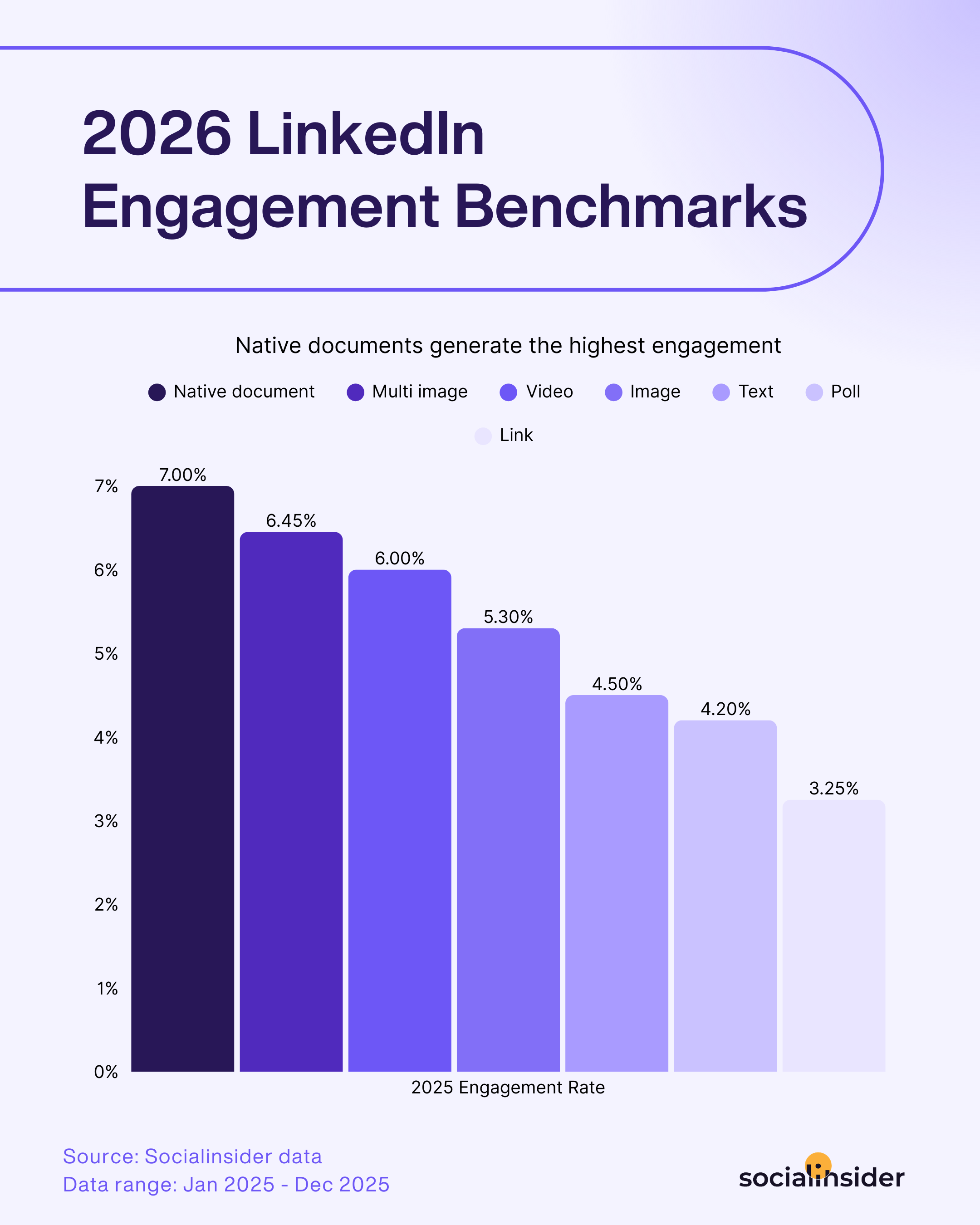
How Airbnb Built Billions on One Origin Story
Brian Chesky's air mattress story has been told on Stanford stages, in IPO prospectuses, at Y Combinator reunions, and in a hundred podcasts. The same five beats run every version.
Tension. October 2007. Chesky and Joe Gebbia cannot make rent on their San Francisco loft. A design conference hits town and every hotel room is sold out.
Stakes. Two designers with zero cushion staring at an empty bank account and a rent deadline.
Choice. Instead of getting roommates, they blow up three air mattresses and list them online as an Airbed and Breakfast. They serve Pop-Tarts for the morning.
Lesson. The fastest path to product-market fit is to solve your own broken thing so intensely that strangers recognize themselves in the fix.
Bridge. Every founder in the room is one air mattress away from a business idea hiding in plain sight, per Chesky's repeated telling and the full public record of the Airbnb origin.
The story also absorbed later beats. The cereal box fundraise at the 2008 Democratic National Convention. The $20,000 Y Combinator check. The seven consecutive rejections from investors who later begged to put money in. Each retelling returns to the air mattress and adds a new layer of stakes.
A strong founder story compounds. Every telling sharpens the lesson. Every retelling pulls a new buyer to the bridge.
Story Types That Drive Pipeline Versus Likes
Stories split into two buckets. Likes-bait stories earn applause and reach. Pipeline stories earn replies and revenue. Founders who want revenue need to pick the second bucket on purpose.
Likes-bait stories trade on emotion alone. The proud parent story. The "I got rejected 40 times" grit post. The cinematic breakthrough moment. These get viral reach and produce zero qualified DMs.
Pipeline stories trade on proof. They feature named customers, named problems, named outcomes. They sound less polished and read more specific. They rank lower on reach and higher on revenue.
SaaS companies that share transparent metrics, failed experiments, and founder stories see 47 percent higher engagement than generic industry insights, per recent B2B SaaS benchmark research. The specificity wins the algorithm and the buyer at the same time.
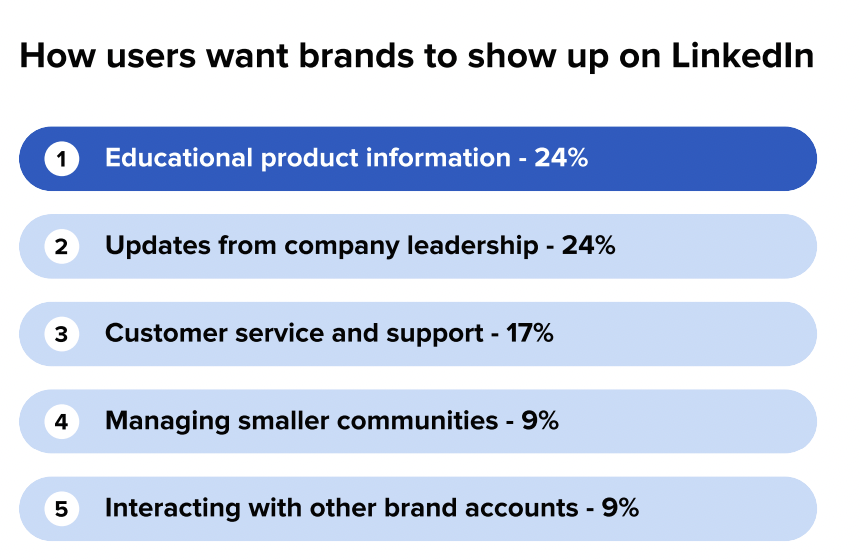
The same Sprout Social study found that 24 percent of LinkedIn users want educational product information from brands and 24 percent want updates from company leadership. Both categories live inside the pipeline story bucket. Neither lives inside the inspiration bucket.
Build a portfolio that tilts 80 percent toward pipeline stories and 20 percent toward likes-bait when you need reach. The reach days feed the pipeline days. Reversing the ratio starves the business.
The Signature Story Inventory Every Founder Needs
Every B2B founder should keep a running inventory of 7 core stories. Seven covers every buying conversation a founder walks into. Fewer leaves gaps. More creates overhead.
Story one. The origin moment. Why you founded the company. Why you would still found it today. The Chesky air mattress equivalent for your business.
Story two. The biggest customer win. Named customer, specific problem, measured outcome, time frame. Permission required. Worth the ask.
Story three. The worst failure. A launch that flopped, a hire that burned out, a pivot that blew a year. Vulnerability earns trust when it carries a lesson.
Story four. The contrarian call. A decision you made against consensus that worked. This story positions your judgment and draws in buyers tired of playbook operators.
Story five. The customer crisis. The moment a customer threatened to churn and how you saved the relationship. This signals product discipline and founder-led customer love.
Story six. The cultural fight. A time you chose team over metrics or principle over profit. This story earns recruits and values-aligned buyers in one shot.
Story seven. The origin of your POV. How you arrived at the hill you die on. The stance your whole company is built to defend.
Store them in one doc. Update them quarterly. Rotate them across LinkedIn, podcast appearances, sales calls, and keynotes. The same seven stories shape every public expression of the company.
The Weekly Founder Storytelling Rhythm
Storytelling loses to lack of rhythm more often than loses to bad craft. Founders overthink the stories and underpublish them. A weekly rhythm beats a quarterly masterpiece every time.
A founder or CEO posting three times per week typically generates 5 to 15 times more reach than their company page, per B2B SaaS content benchmarks. The rhythm compounds. One post a week stays invisible. Three posts a week starts moving pipeline in 60 to 90 days.
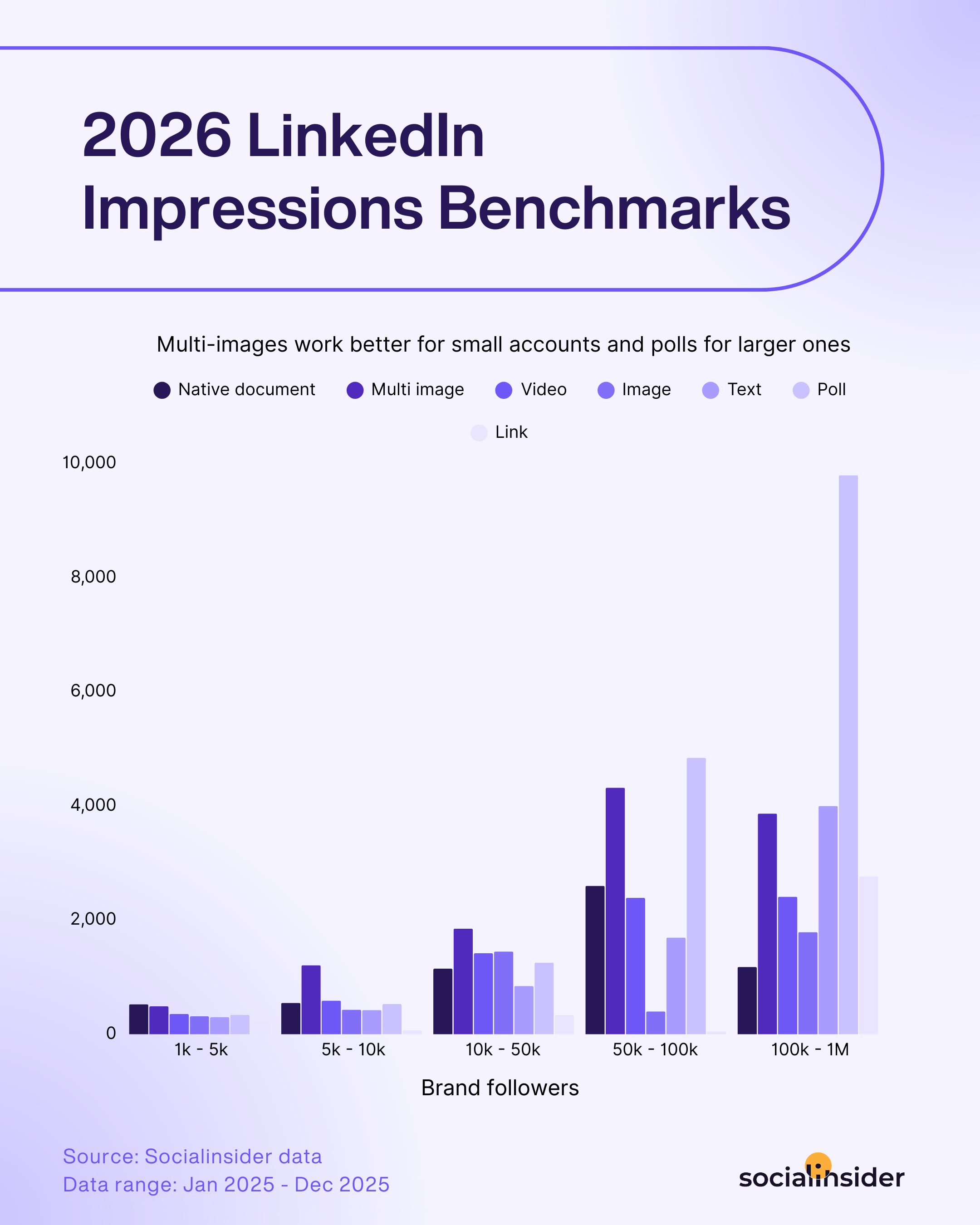
Run the week in four blocks. Monday, pick one story from your inventory and decide which of the five beats you want to feature. Tuesday, draft 210 words with a tension-first hook. Wednesday, publish. Thursday through Sunday, reply in the comments for at least 30 minutes.
The comments matter more than the post. LinkedIn's algorithm surfaces dwell time and reply velocity. A founder replying within the first hour multiplies reach and filters for buyer-quality attention.
Repeat the rhythm for 13 consecutive weeks. One quarter. Founders who sustain that cadence see the first real inbound signals between week 8 and week 12. Founders who break the cadence start over every time.
Common Founder Storytelling Mistakes
Six mistakes kill more founder storytelling than any other failure mode. Every one of them is avoidable.
Mistake one. Starting with context. "Back when the company was small" kills the hook. Open on the sharpest moment and fill in context later.
Mistake two. Making yourself the hero. Your buyer has a problem bigger than your company's glow-up. Position yourself as the scarred mentor who walked the road first.
Mistake three. Ending on a feeling. Feelings fade in 30 seconds of scrolling. Lessons and bridges survive the scroll.
Mistake four. Trying to sound literary. Adjective-heavy prose signals a founder trying to win a writing contest. Buyers prefer plain language that moves.
Mistake five. Telling fake-humble stories. "We got really lucky" reads as false modesty and erases the choice that won the day. Name the decision. Own the outcome.
Mistake six. Skipping the bridge. The most common failure across founder content. A story with no bridge teaches nothing the buyer can apply and converts no one.
Run every draft through a six-point check before publishing. If any mistake survives the check, the story earns reach and loses pipeline.
How to Measure Story Performance Beyond Vanity
Likes and impressions mislead founders every week. Three metrics measure real storytelling performance in pipeline terms.
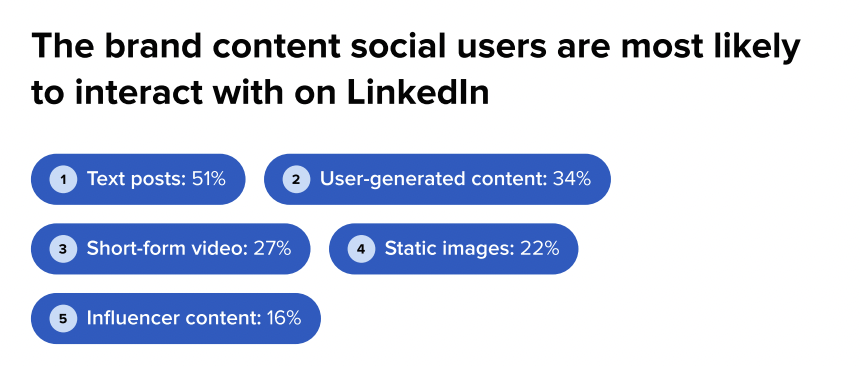
Signal one. ICP comments per post. Count how many comments came from inside your ideal customer profile. Ten scrolling supporters mean less than two buyer-title replies. Sort comments by title before judging performance.
Signal two. Profile-to-site clicks. Track the weekly clicks from your LinkedIn bio to your website. A story that produces viral reach with no bio clicks produced entertainment, never intent.
Signal three. DMs from buyers inside 48 hours. A strong story generates DMs with specific questions, real company context, and an ask. Measure the count, not the ratio. One qualified DM per post is a winning rate at most company sizes.
Story arithmetic runs backward from revenue. A Series A founder targeting $50K average deals needs roughly 2 qualified conversations a month to fill pipeline. Two a month translates into one qualified DM per post across eight posts a month. Eight posts is your floor.
Track the three signals weekly. Ignore the likes column entirely.
The Playbook From Here
Founders who treat storytelling as a content tactic end up with a content calendar. Founders who treat storytelling as pipeline infrastructure end up with a business.
Build the inventory of seven stories this weekend. Run every story through the five-beat framework. Publish three times a week for 90 days. Reply in the comments for 30 minutes daily.
The framework is portable. The rhythm is portable. The inventory is portable. The voice is yours, built one story at a time, reinforced every week a buyer replies and opens a conversation that ends in revenue.
Everything else is theater. Pipeline is the only proof that storytelling worked.