
Most founder cold email advice was lifted from SDR playbooks and dressed up in startup language. SDRs sell at scale. Founders disqualify at the top of the funnel. Confuse those two jobs and the inbox punishes you.
This piece hands over the founder cold email stack. It strips out the volume bias, the template worship, and the reply-rate vanity that the SDR industry sells founders every quarter. What stays is a five-layer system built around stance, sub-100 account discipline, the founder bridge, and a cadence that respects time on both sides.
A founder cold email strategy is a five-layer system that uses sub-100 hand-picked accounts, a stance hook, a disqualification body, a founder bridge, and a four-touch 17-day sequence to convert qualified replies into pipeline. The win sits on list quality first, message stance second, and follow-up discipline third.

Why SDR Cold Email Playbooks Fail Founders
The cold email industry sells one playbook to two different operators. The SDR playbook treats the inbox as a numbers game. Send more, personalize a token, follow up on a script, route the reply to AE.
That works for an SDR loaded with 300 accounts and a quota tied to meetings booked. It collapses for a founder loaded with one company and a calendar tied to revenue closed.
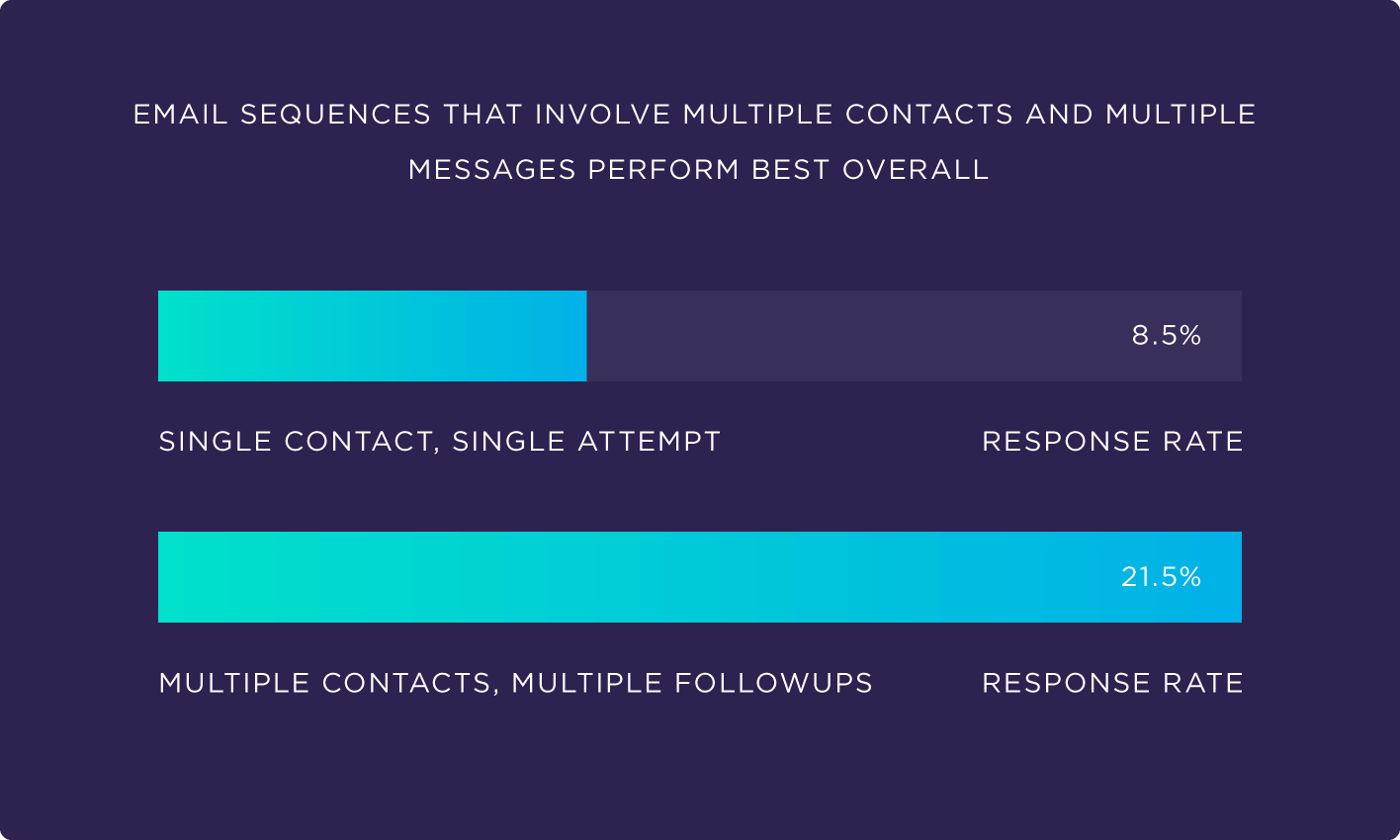
A founder running the SDR playbook ends up paying for warmup tools, list buys, and Apollo seats and gets back 4 percent reply rates that turn into 1 percent qualified conversations. The founder running the disqualification playbook sends a tenth of the volume and books better calls because the email itself filters out the wrong fit.
The shift is operational. The SDR optimizes for replies. The founder optimizes for the right replies.
Reply Rate Is a Vanity Tax
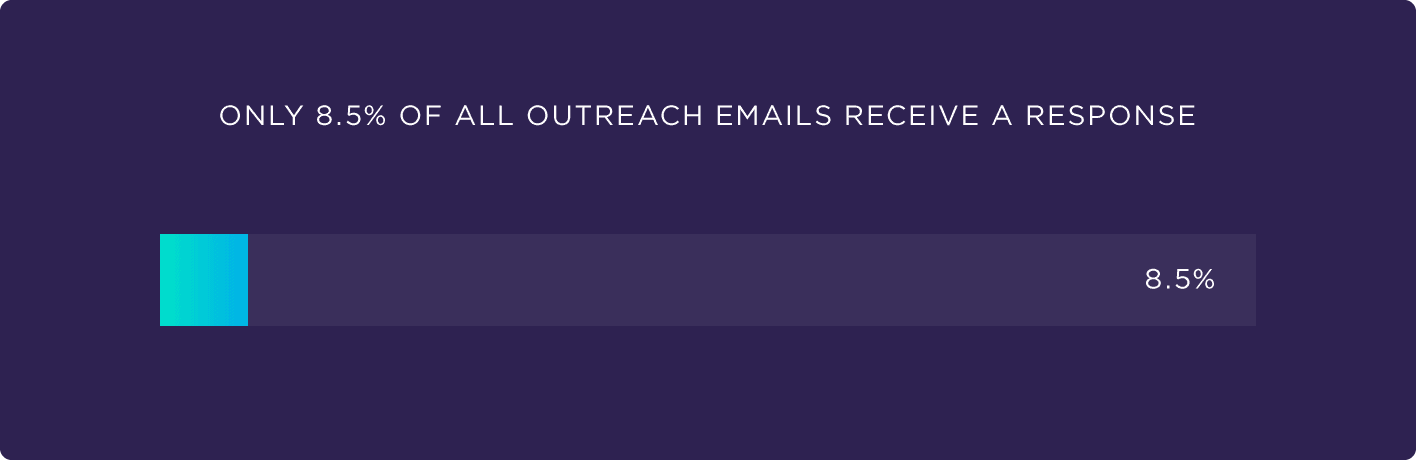
Average B2B cold email reply rates run 3 to 5.1 percent across 2024 and 2025, with the top quartile pushing 15 to 25 percent on focused plays. Reply rate looks like the right metric until you trace it forward.
A founder hitting a 12 percent reply rate on a generic blast still ends up sorting through tire kickers, freelancers, agencies, and competitor recon. The reply rate climbs. The pipeline number sits flat.
Pipeline Per Hundred Sends is the only number that tracks back to revenue. Two qualified opportunities per hundred sends beats twenty replies per hundred sends every quarter.
The Founder Cold Email Stack
The Founder Cold Email Stack runs five layers. Each layer fixes a failure mode the SDR playbook ignores.
Layer one, Account Selection. Sub 100 accounts, hand picked, ICP fit verified, intent signal attached. Layer two, Stance Hook. The first line takes a position your buyer either nods at or hits back on. Layer three, Disqualification Body. The middle of the email names the buyer this email rules out. Layer four, Founder Bridge. The ask offers something only the founder can give. Layer five, Sequence Cadence. Four touches across 17 days, every follow up adds new context, no template stuffing.
Run the layers in order. Skip one and the others collapse. Skip Account Selection and Stance Hook lands on the wrong person. Skip Disqualification Body and the right person reads the email as a pitch. Skip Founder Bridge and the meeting offer reads identical to every SDR ping the buyer ignored last week.
Account Selection and the Sub 100 Rule
Cold email at the founder level wins on list quality before it wins on copy. Most founder failures trace to a 5,000-account list cobbled out of Apollo filters with surface-level firmographic match.
The Sub 100 Rule treats account selection as capital allocation. Pick fewer than 100 accounts per quarter. Hand-verify each one against three filters, ICP fit, purchase signal, and founder reachability.
ICP fit means the company looks like the customers you already sell to. Stage, headcount, revenue band, geography, vertical, tooling. Purchase signal means a recent event raises buying probability. New funding round, leadership hire, public hiring of a relevant role, recent product launch, public RFP, layoff, or pricing change.
Founder reachability means the buyer reads founder email. C-suite at companies under 500 headcount qualifies. VPs at companies under 200 qualify. Director-level at companies under 50 qualify. Beyond those bands the founder loses the asymmetry that justified writing the email in the first place.
The Stance Hook Anatomy
The first line of a founder cold email signals fit or filters fast. Generic openers waste the strongest position in the email on a polite hello.
A stance hook lands a take in 12 words or fewer. The take has to be specific enough that the wrong buyer scrolls past and the right buyer leans in.
Three stance hook structures work for founders. The Specific Number Hook leads with a metric most buyers misunderstand, like "Most series A teams burn 60 percent of their CRM budget on data they overwrite within 90 days." The Contrarian Claim Hook leads with a position the industry rejects, like "We stopped attending trade shows in 2024 and tripled qualified pipeline." The Buyer Trigger Hook leads with the buyer's recent move, like "Your VP Sales hire from Datadog tells me you are restructuring outbound."
Avoid intro lines that compliment the company, reference a podcast, or open with "I noticed." Those cues telegraph a templated send.
The Disqualification Body
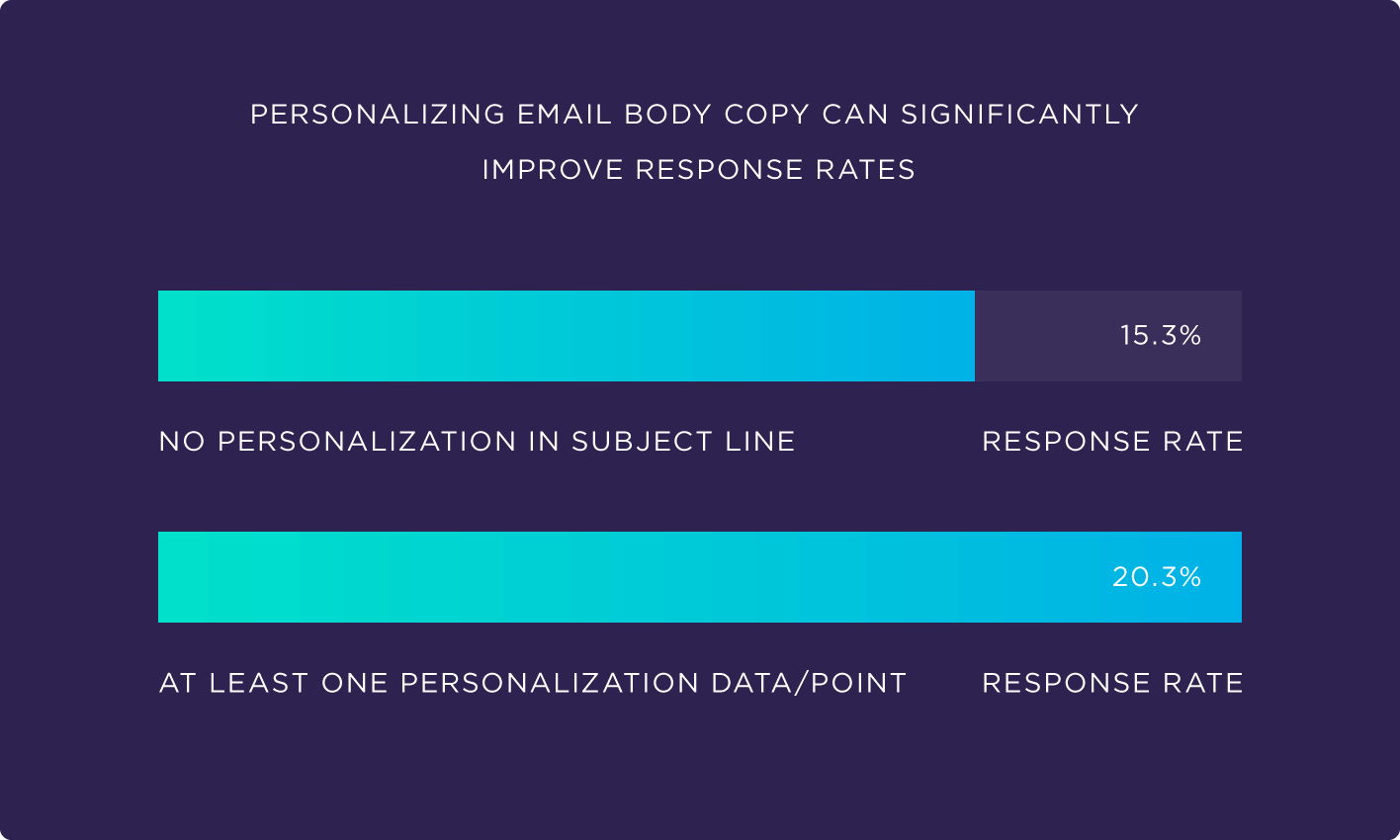
The middle of the founder cold email tells the buyer who the email rules out. Disqualification builds trust faster than persuasion does.
Anatomy goes like this. One sentence on what you sell, one sentence on which buyers should ignore the email, one sentence on the specific use case that fits, one sentence on a real customer outcome with a number.
Example body. "We sell pipeline analytics to revenue teams running outbound at scale. If your team books fewer than 50 meetings a month, this email lands too early. If you run outbound on three or more channels with no way to tie sourced opportunities to channel within 24 hours, that pain shows up in your forecast. Aircall closed the loop in 11 weeks and reattributed 38 percent of pipeline."
The disqualification frame makes the right buyer feel chosen and the wrong buyer leave the email alone. Both outcomes free founder time.
The Founder Bridge
The ask in a founder cold email has to offer something only the founder can give. Anything an SDR can offer kills the asymmetry.
A meeting request from an SDR reads like work. A meeting request from a founder reads like access. The founder bridge cashes that asymmetry into a specific, low-friction next step.
Bridge options worth running include a 15 minute decision call with the founder, no slides, no recording. A prototype look at the founder's working build with founder commentary. A copy of the founder's current operating doc on the buyer's exact pain. A founder-only Slack channel for 30 days with three peer companies in the buyer's stage. A no-pitch debrief on a problem the buyer flagged in public.
Each bridge respects the buyer's time and trades on the founder's. Send the bridge in the first email. Hold the demo for the second touch.
The 17 Day Sequence Cadence
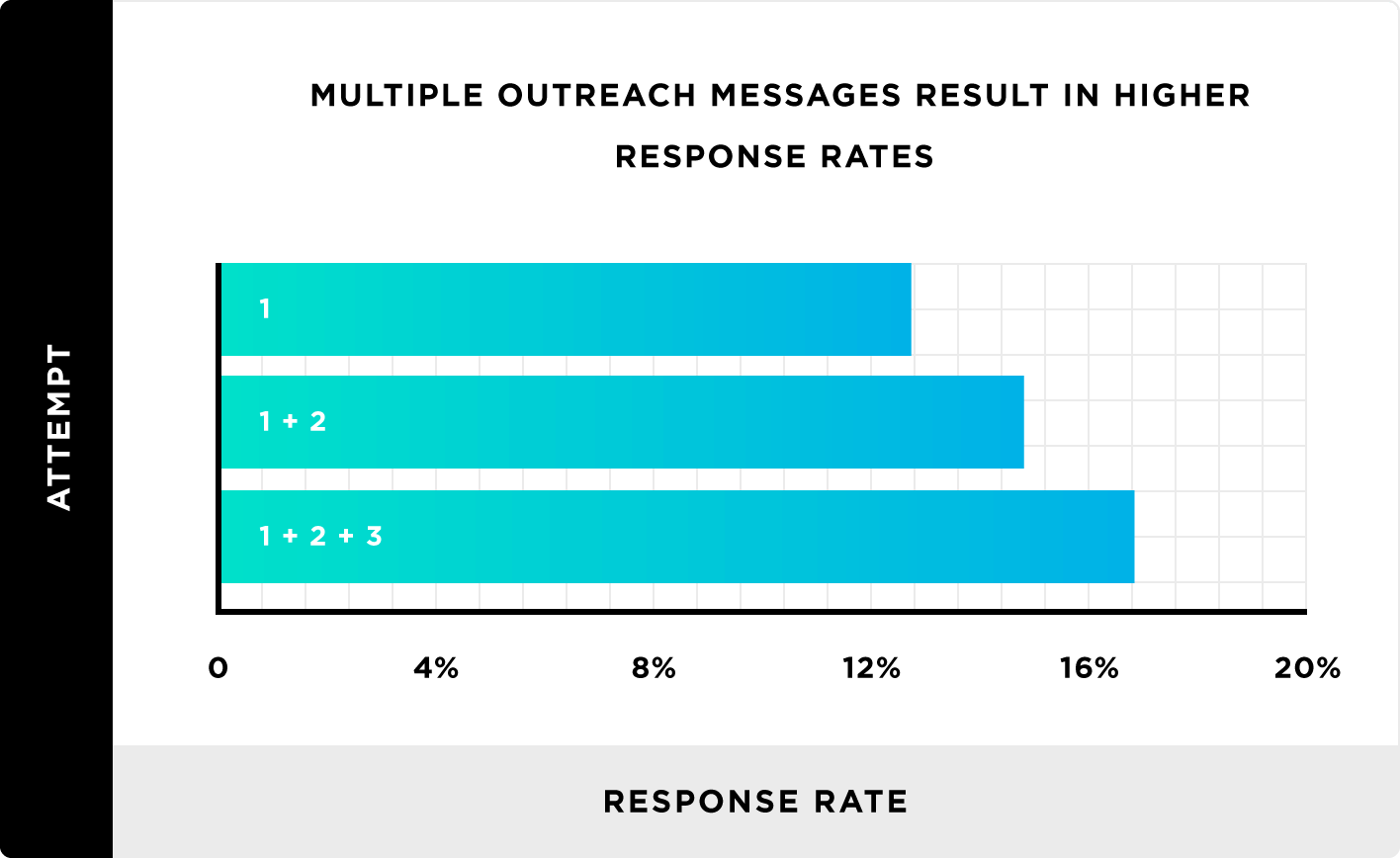
The follow up data settles the volume debate. Sequences with three to five follow ups hit 8.3 percent reply rate against 4.1 percent for single-touch sends. Cadences using a 3-7-7 spacing capture 93 percent of total replies by Day 10.
The Founder 17 Day Cadence runs four touches. Day 0, the stance hook plus disqualification plus founder bridge. Day 3, a one-line bump with a single new context cue. Day 10, a reframe email that drops the bridge and offers a different next step like a 5 minute Loom, a one-page brief, or a peer intro. Day 17, a permission close that tells the buyer the email cycle ends and asks for a yes, no, or later.
Each touch adds new context. Bumps that say "circling back" or "hopping to the top of your inbox" land in the founder spam folder of 2026. Microsoft updated its anti-spam systems in late 2025 to flag warmup-tool signatures and engagement spikes that read non-human, which means lazy bumps now hurt deliverability and conversion at the same time.
Deliverability the Founder Way
Founders pay too high a price for the deliverability mistakes the SDR shop normalizes. One blacklist takes a founder inbox out of action for weeks while the buyers most likely to fund the next quarter sit on the other side.
Three rules govern founder deliverability. Send under 100 emails per address per day, full stop. Ramp warmup over 14 to 21 days minimum, longer for SMTP setups, with a blended warmup tool active during cold sends. Set DMARC to p=reject, SPF and DKIM aligned, and run a deliverability test before every campaign launch.
The trade sits in the engagement signal. Cold email generates 1 to 5 percent reply rates. Warmup engagement generates 30 to 35 percent. The blend keeps the inbox readable to the spam filter, which now scores time-to-reply and reply quality alongside opens and clicks.
A founder running outbound on a single domain commits a deliverability error before the first email goes out. Use a secondary domain for cold sends, mirror it to the primary, and route warmup through the same provider as the cold sends.
Pipeline Per Hundred Sends
Track three numbers and ignore the rest. Qualified Reply Rate, Pipeline Per Hundred Sends, and Cycle Time to Sourced Opportunity.
Qualified Reply Rate counts replies coming from ICP-fit buyers expressing real interest, divided by sends. Pipeline Per Hundred Sends counts dollar value of opportunities sourced, divided by hundreds of emails sent. Cycle Time to Sourced Opportunity measures days from first send to opportunity creation.
Healthy founder cold email at the Sub 100 list level generates 2 to 4 qualified replies per 100 sends, $40K to $200K of sourced pipeline per 100 sends, and 14 to 28 day cycle times. Anything below 1 qualified reply per 100 means the list, hook, or bridge missed.
Reply rate, open rate, click rate, and total replies stay logged but never drive decisions. They tell the founder how the inbox performs as a delivery channel. They reveal nothing on whether the strategy is working.
Real Founder Outreach That Worked
Martin Aguinis, founder of SendtoWin, sourced over $1.6 billion in pipeline and $150 million in closed deals through cold email. His system runs hand-picked accounts and founder-signed messages on every send.
Igor Shapiro, founder of UltB, runs over a million sends per month and books 150 to 200 qualified meetings monthly, with single campaigns hitting 22 percent reply rate. The volume is higher than a typical founder send. The discipline on offer, list, and cadence stays the same.
Michel Lieben, founder of ColdIQ, sent 4,000 cold emails to land 1 lead in his first run. He rebuilt the system around tighter targeting, founder-led messaging, and disqualification framing, and now runs a 30-person team at $4 million ARR. The lesson sits in the rebuild, where he stopped chasing volume and started defending list quality.
These three operators run vastly different volume profiles. They share one rule. The founder owns the message, the list, and the bridge. Outsource any one of those to a tool, agency, or template and the asymmetry disappears.
30 Day Founder Cold Email Build
The first 30 days set up the founder cold email engine. Run it as four 7-day sprints.
Days 1 to 7, Foundation. Buy a secondary domain, mirror to primary, set up two sending inboxes. Configure SPF, DKIM, and DMARC at p=reject. Start warmup at 10 emails per day per inbox, ramping to 40 by Day 14.
Days 8 to 14, List Build. Hand pick 60 accounts using ICP fit, purchase signal, and founder reachability filters. Identify the right contact at each account. Pull email through Apollo, Hunter, or a verified provider, and run every address through a verifier before send.
Days 15 to 21, Copy and Send. Write five stance hooks, three disqualification bodies, and three founder bridges. Pair them into 15 message variants. Send the first 30 emails on Day 15, second 30 on Day 18. Track Qualified Reply Rate by hook variant.
Days 22 to 30, Iterate. Drop the worst-performing hook variant. Run a Day 10 reframe and Day 17 permission close on every account. Log Pipeline Per Hundred Sends and Cycle Time. Decide whether the Sub 100 list needs a second 60-account batch or whether the existing list still has signal.
The first 30 days produce data. The second 30 days produce deals.
The Quiet Engine Behind Founder Cold Email
Cold email rewards the founder who would rather lose the deal than fake the fit. The disqualification hook signals that bias every time. Buyers who match read the email as respect. Buyers who miss read the email as a polite pass and leave the founder time alone.
Pipeline compounds on the right list, the right hook, and the founder bridge. Every other input is overhead.